← CASE STUDY CUSTOMER JOURNEYS
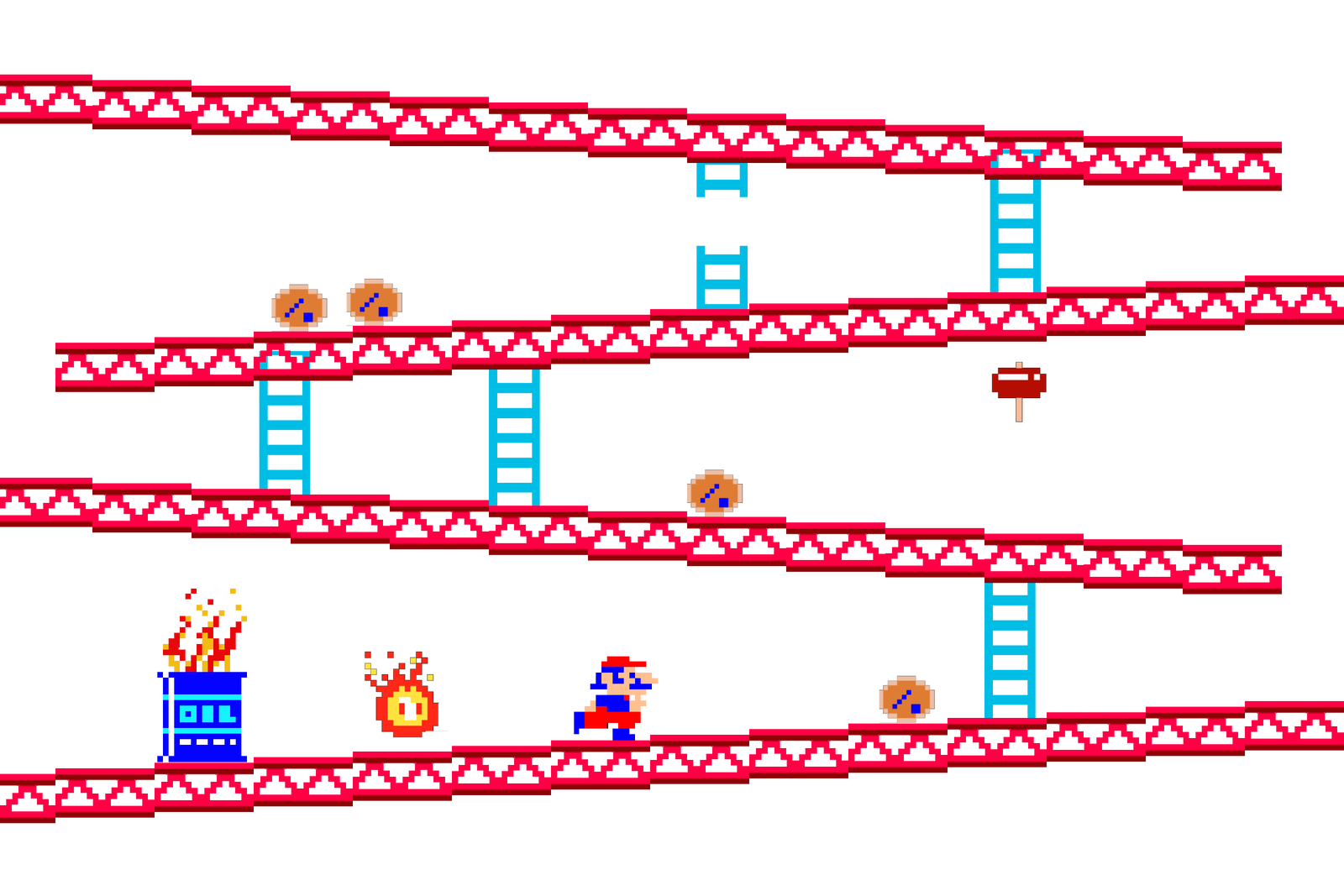
Journey on like Donkey Kong.
Designing a well-informed and smart customer journey is the first, best way to engage with and cultivate your audience’s best interests across the entire lifecycle. Design the scaffolding, grab that hammer, and build a gorilla-sized journey for your customers
KEY PARTNERS
1. Define

A. Kickoff
It starts with a brief, read closely and meticulously dissected. We take in all the details, schedule a working session to get to the heart of the scope and requirements, then plan what’s needed to make the project a success.

B. Documentation
Every touchpoint, every channel, every handoff, mapped against in-market program performance. How the pieces actually come together for each individual moving through the funnel.

C. Audit
What exists, what it’s doing, where it’s failing or redundant—and where we see spaces to make things better.

D. Processing
Four questions, applied to every audience and every stage:
Messaging Are the core messages resonating with each target audience?
Content What’s missing, and where can existing content be leveraged in new ways?
Channels Which channels are absent, and which are being used at the wrong point in the journey?
Timing Are messages reaching each audience with the right frequency and sequence?
E. Engagement
We bring a small, highly-skilled, cross-functional team. Strategists, Planners, Creative Leads, and Operators who eat briefs for breakfast and don’t know how to fail on delivery. Right people. Right room. Right skills.
The we get to work—together. We ask. We answer. We sketch. We scribble. We write notes, absolutely abuse the whiteboards, and document everything related to what needs be built. And we get to know, not just the end customers, but the humans we call clients—which is kinda-sorta the best part.
2. Design

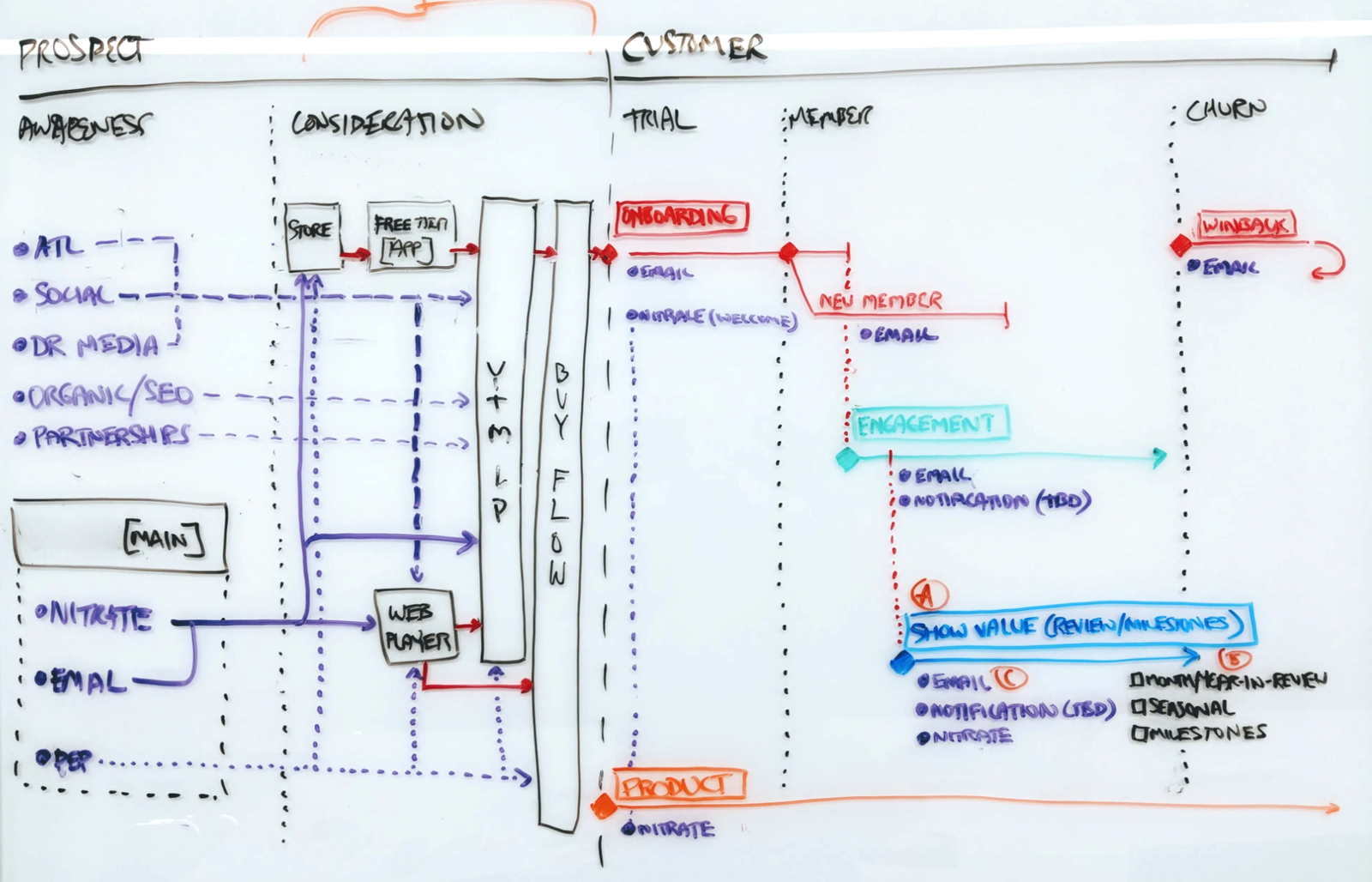
A. Sketching
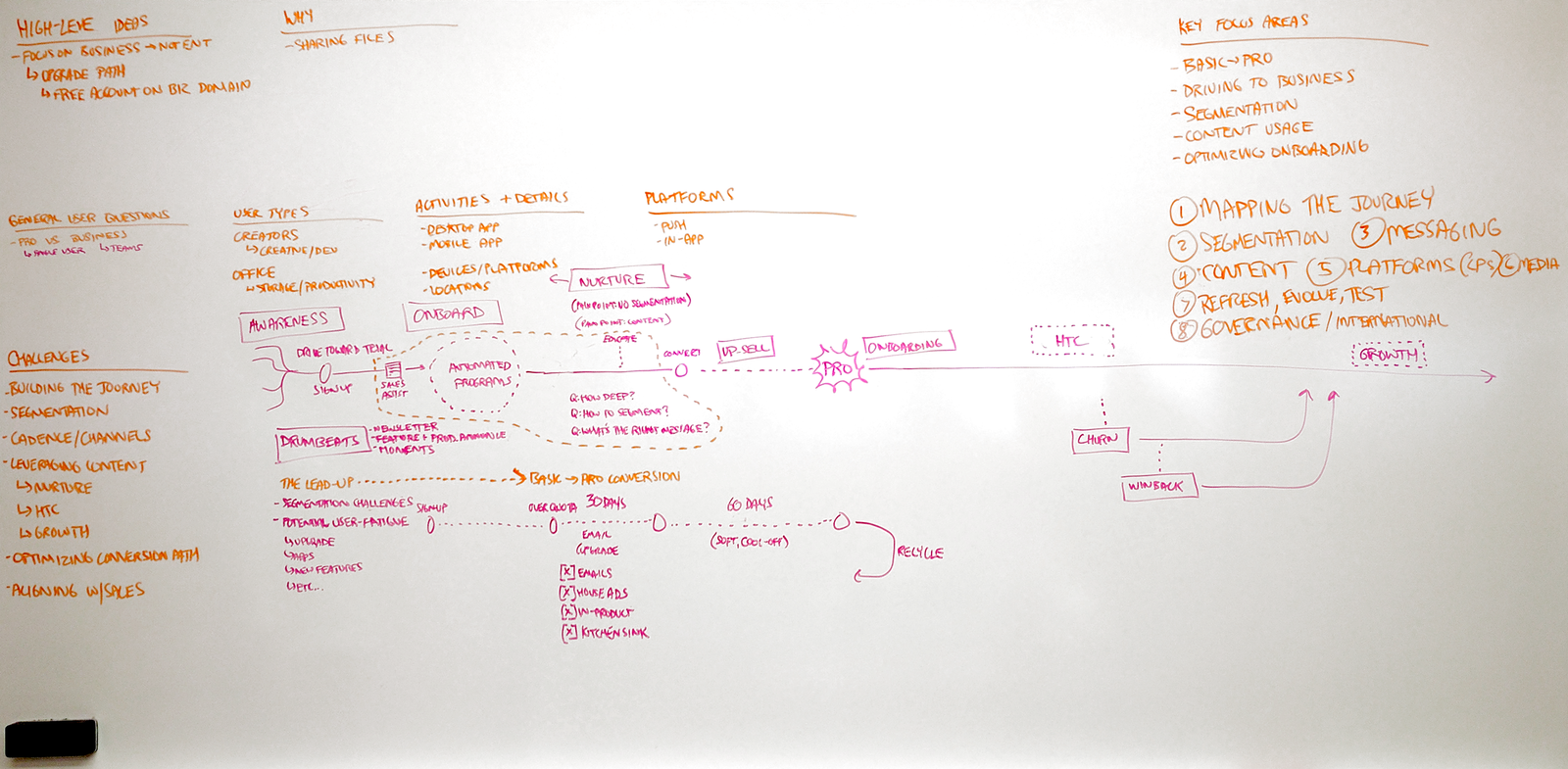
The whiteboard is where the thinking happened: claims get tested, assumptions get drawn out, and the group challenges its way to a shared understanding of what the outcome of the project looks like looked like.
B. Structuring
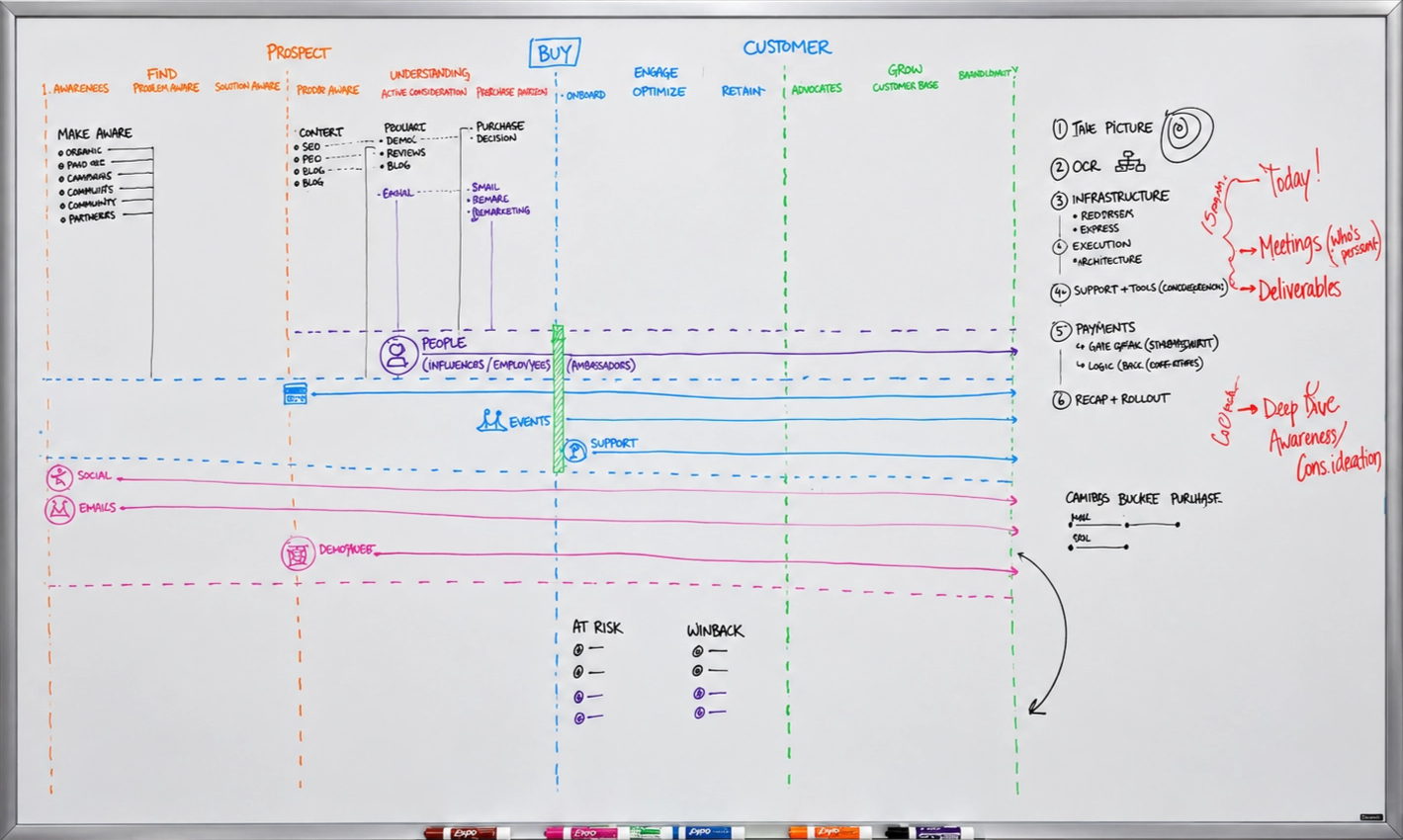
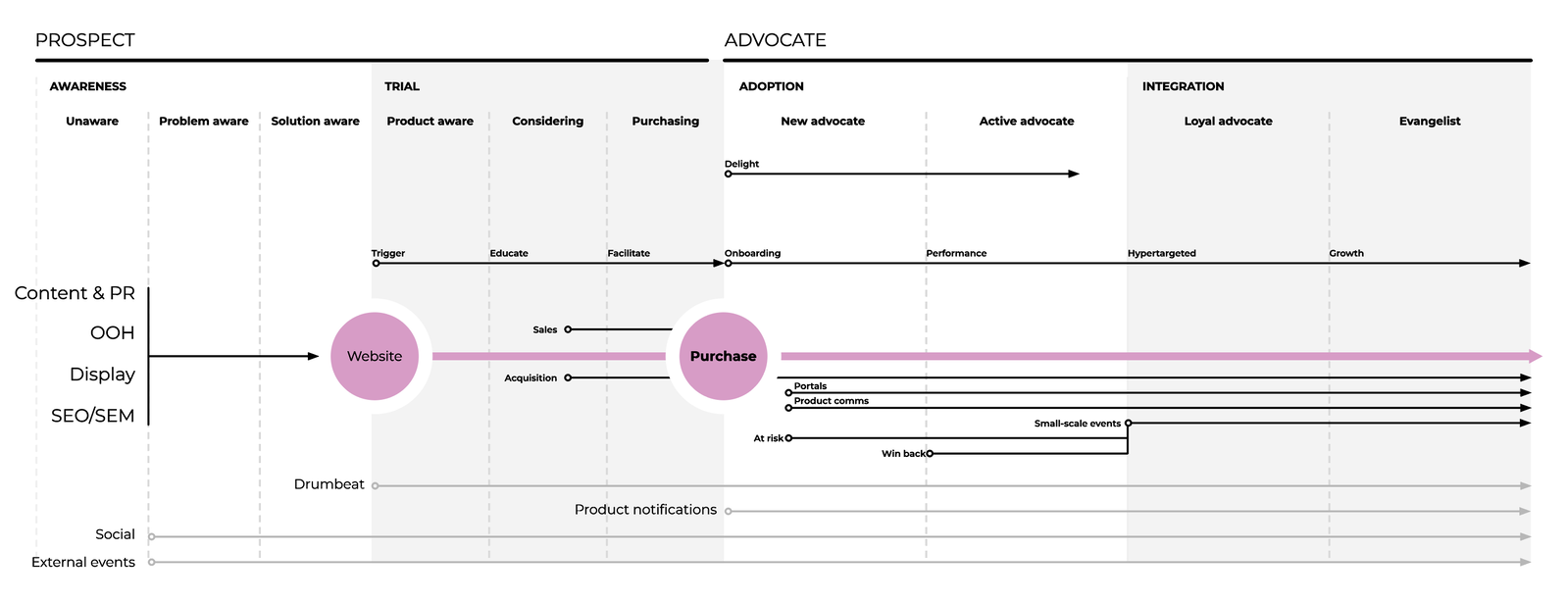
Once there’s an agreed-upon structure, then the model gets refined and enhanced until we hit the best mark with key stages being accounted for.
Audience & Stage The backbone of the journey, mapped to the client’s own funnel or bonding ladder.
Content & Messaging What gets said, to whom, at which moment.
Channels Where each touchpoint lives and how handoffs between them work.
Teams & Ownership Who runs each segment, internally and agency-side.
Measurement What gets tracked at each stage and what it indicates.

C. Prototyping
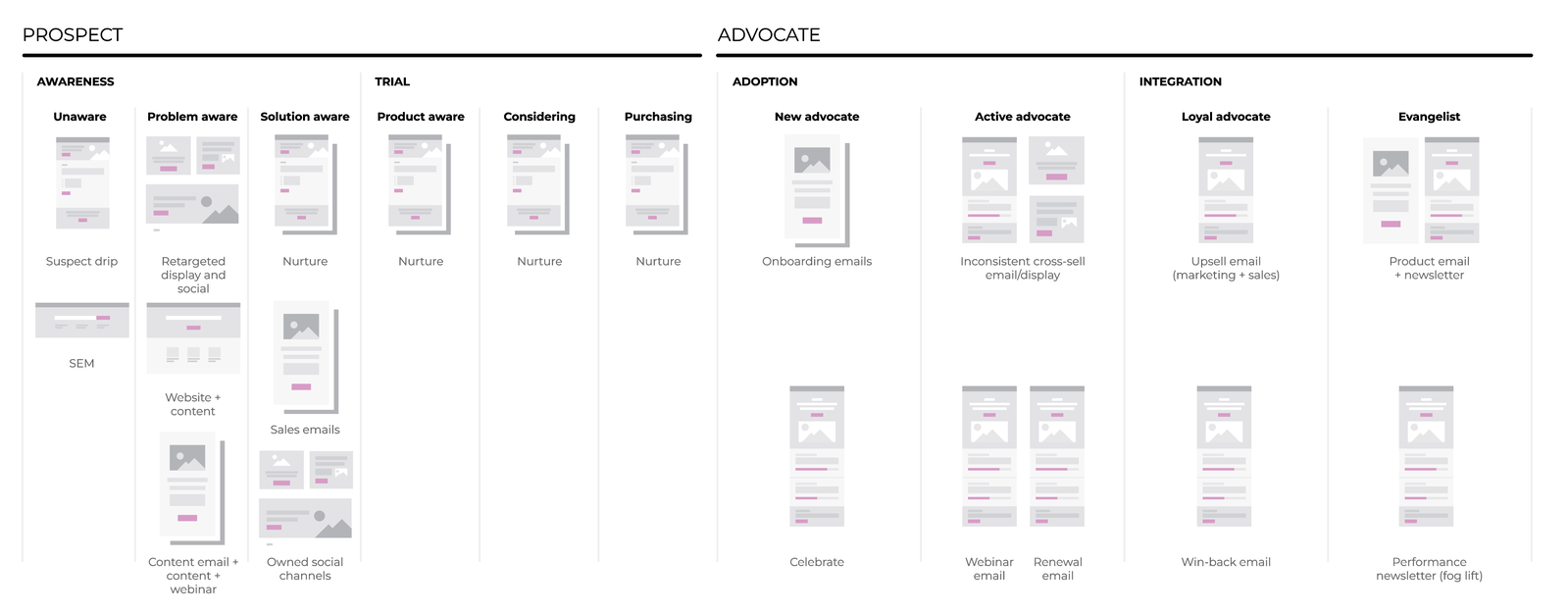
From there, models and templates are developed to both aid in the development of the journey and support the expediting of any journeys around the bend. On the side, we build prototypes of email, site, and apps based on the journey paths to get ahead of the next step in the game.
3. Deliver

A. Final Product
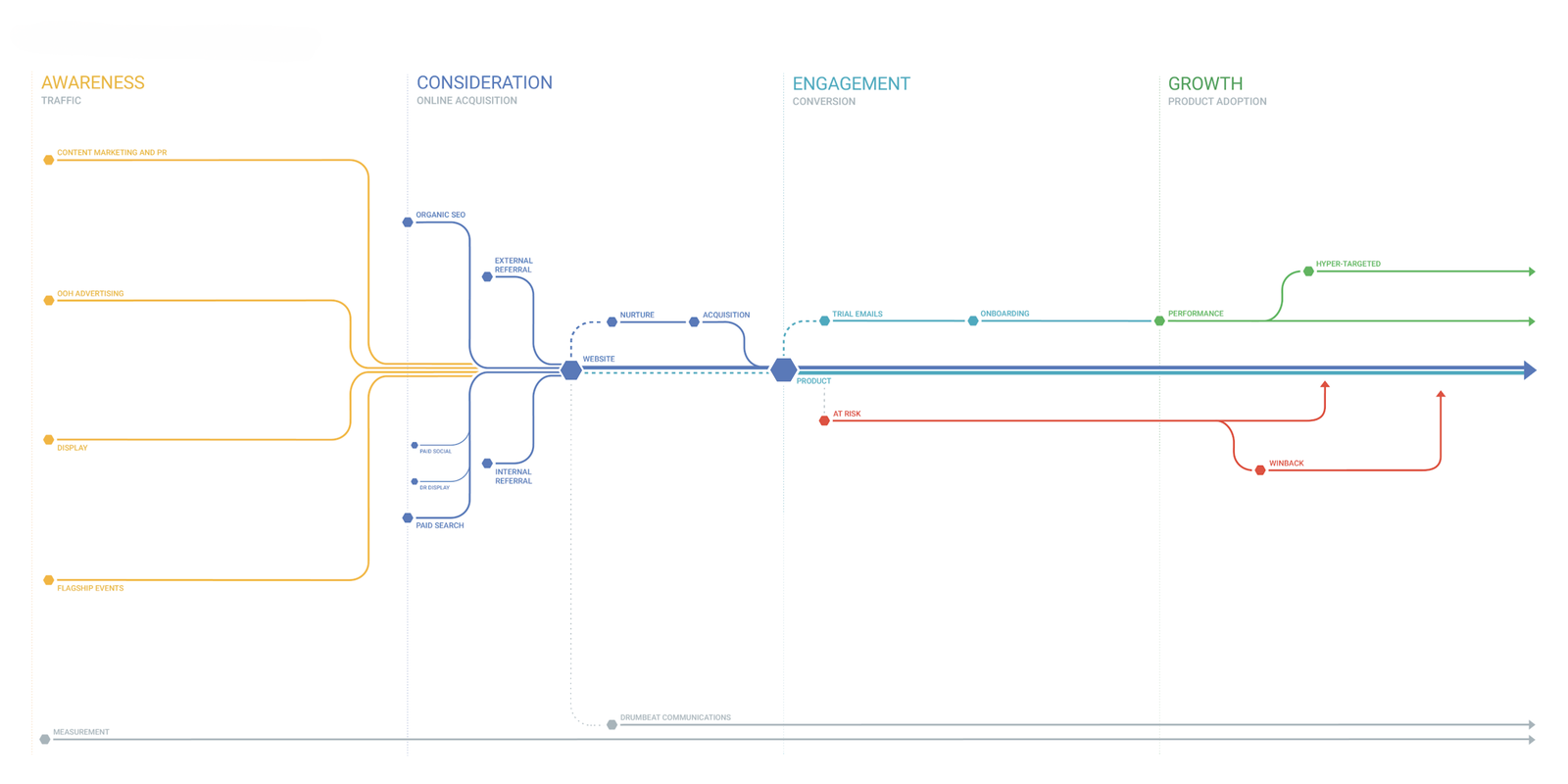
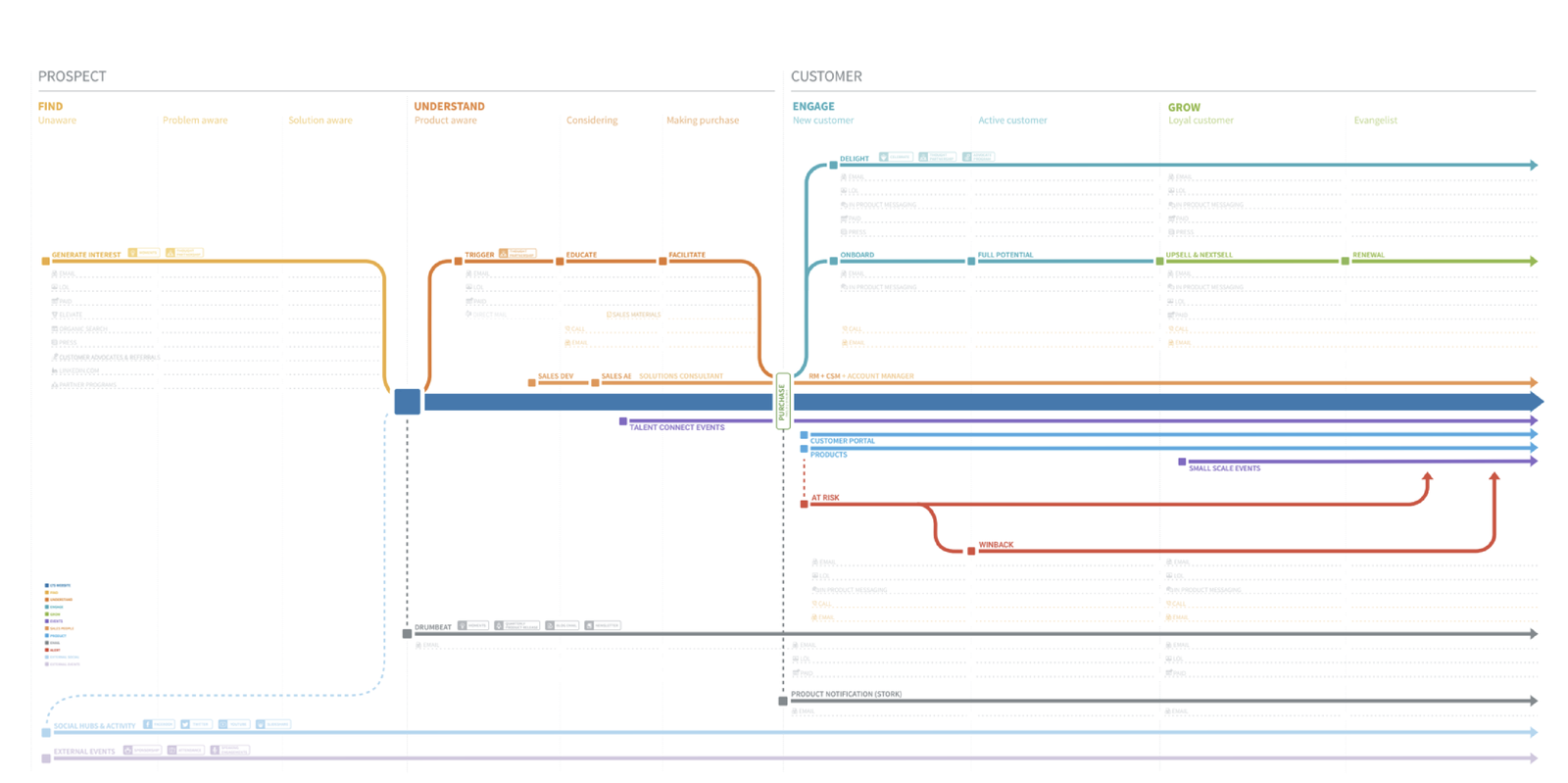
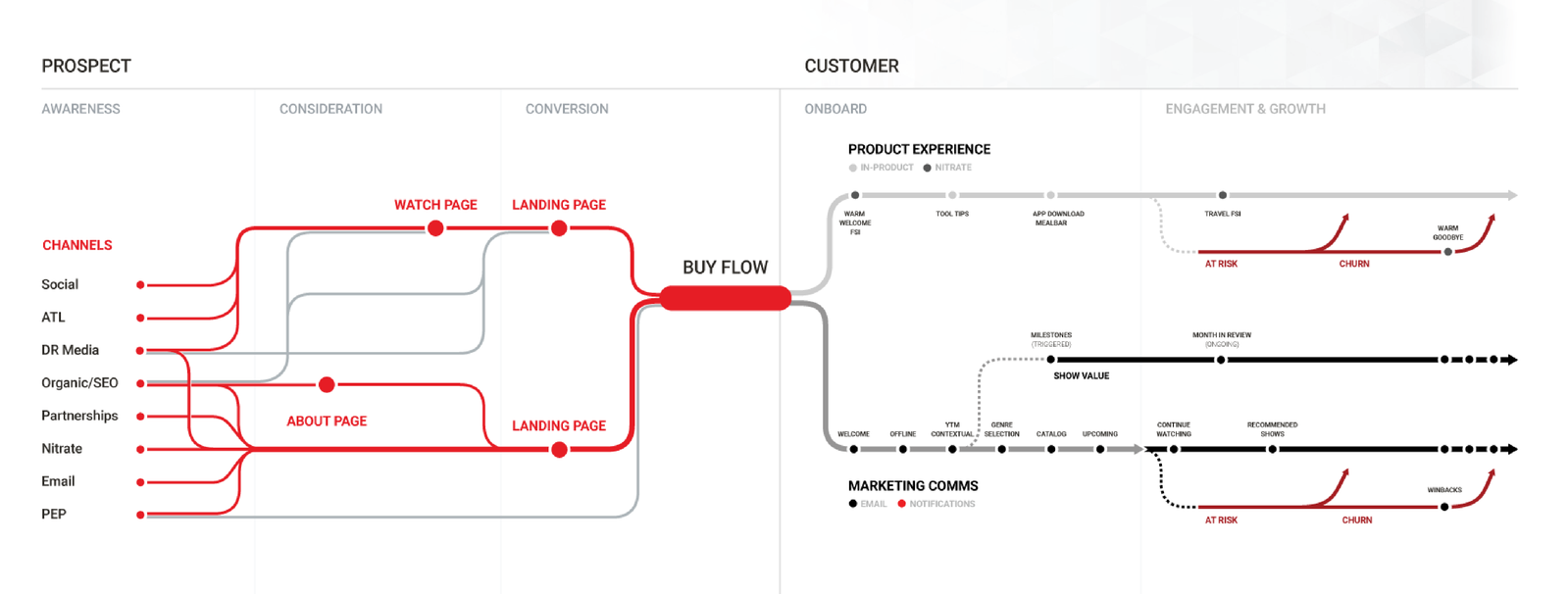
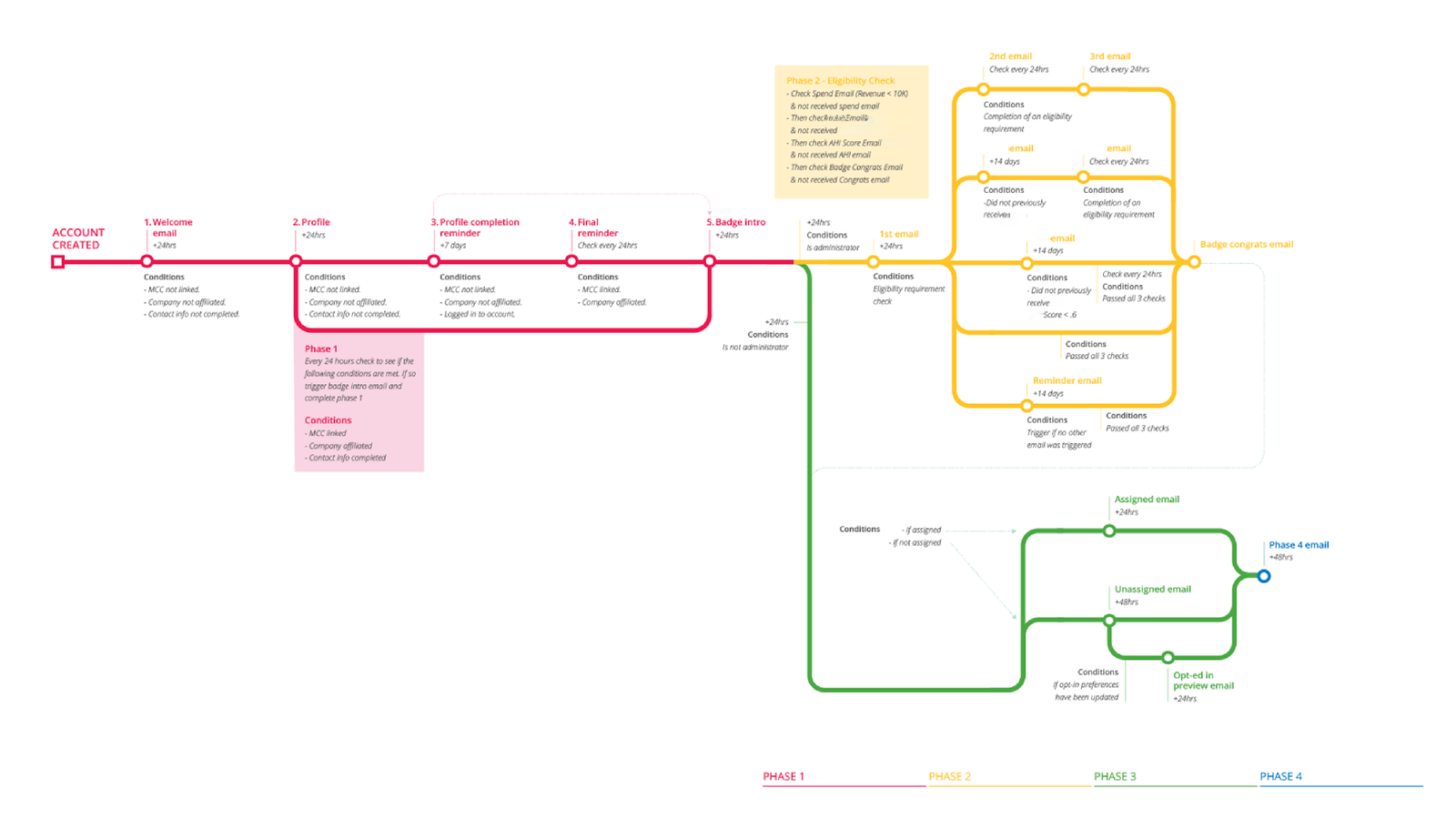
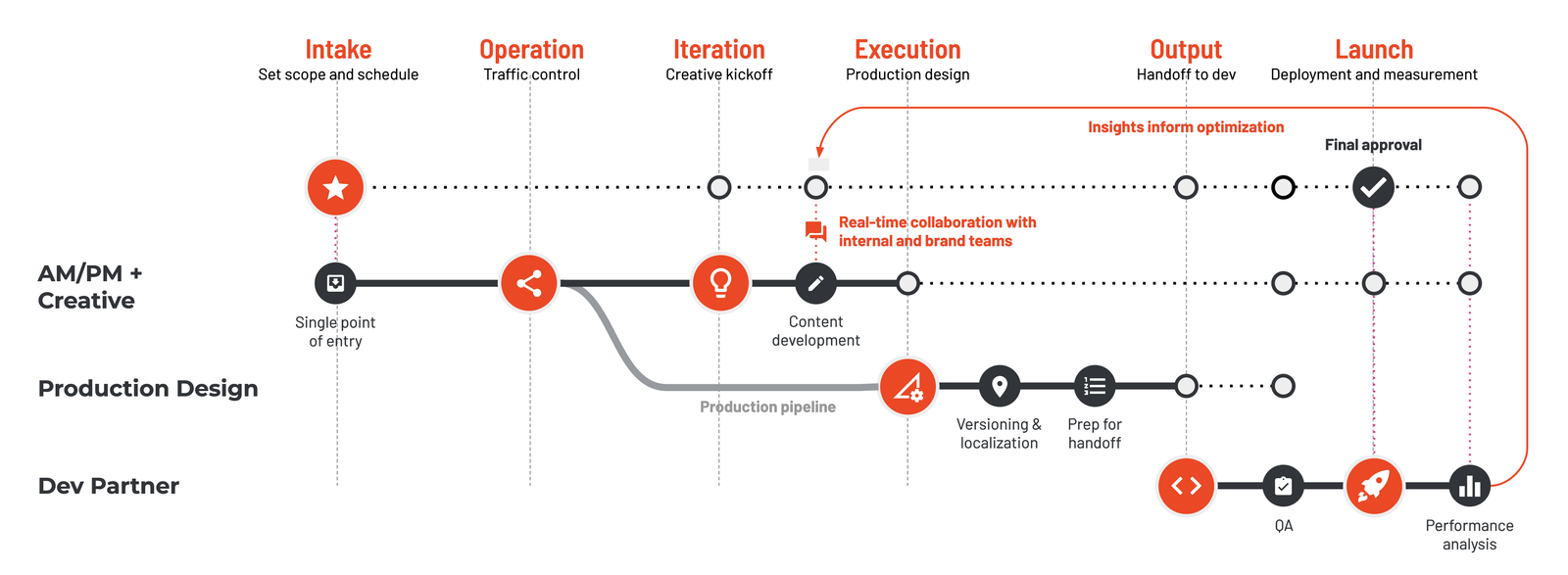
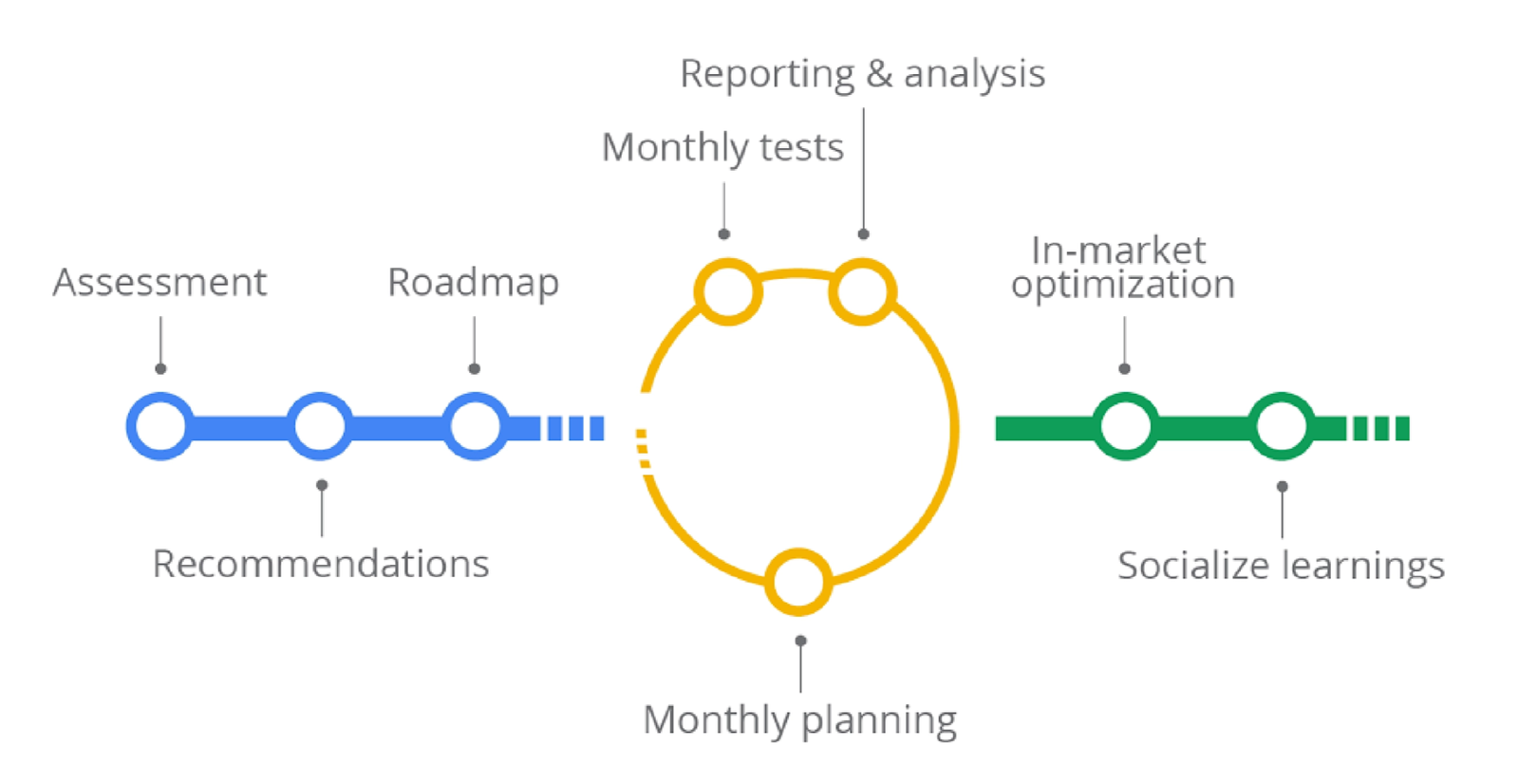
The final artifact, for two formats at once: large-format print and screen. Print meant eight to twelve feet wide by four feet tall, legible from across a room and up close. Screen meant the same information surviving a laptop and a slide deck. Different constraints, same map.
The end result was maps for Google Ads, Google Cloud, YouTube Premium, YouTube Operational Partnerships, and multiple LinkedIn business units.
Each map shipped with a prioritized plan for opportunities and gaps, an implementation roadmap, and a measurement plan to assess performance against it.
Many of them went up on walls inside the client’s own offices as a permanent visual anchor for the business unit.