← CASE STUDY EMAIL MARKETING
Over a decade of emails, emails, and emails. Also emails......and emails.
After over ten years of writing, designing, developing, deploying, and managing email campaigns for some of the world’s largest companies, I’ve learned a thing or six. Here’s my approach.
KEY PARTNERS
1. Define

An effective email starts long before anyone opens any files. Working with some of the biggest tech companies in the world providing my teams with data-rich starting points, and we partnered directly with multiple tech companies to build the infrastructure that would drive the customer experience forward. For Google, we also helped develop and refine their in-house proprietary delivery engine.
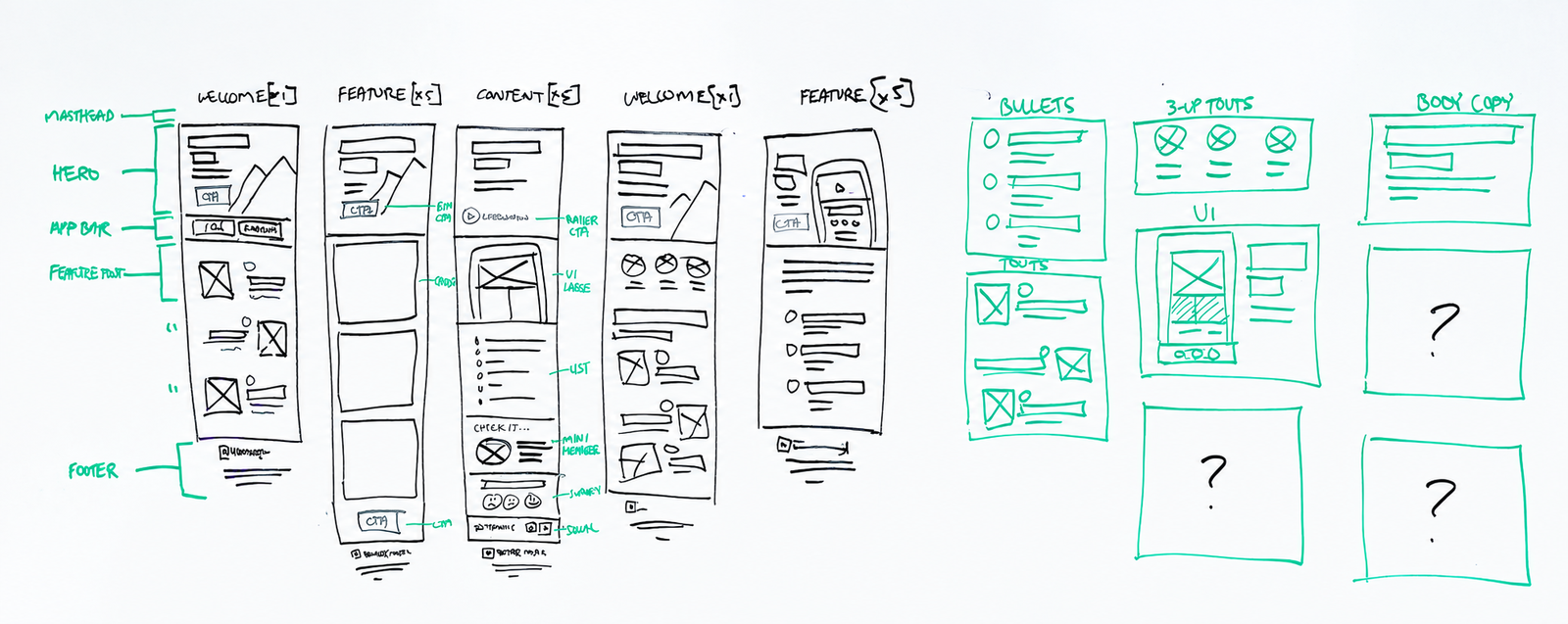
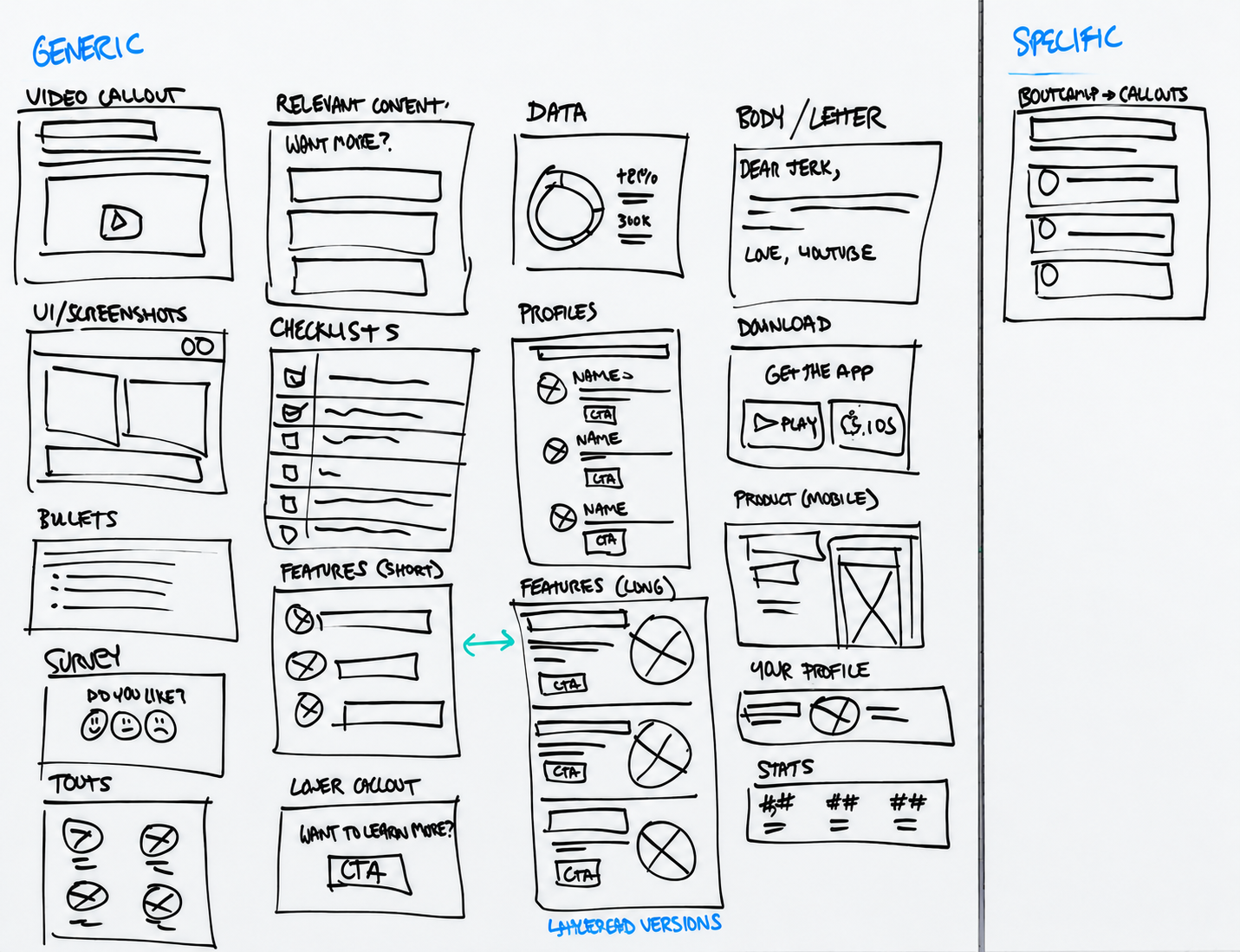
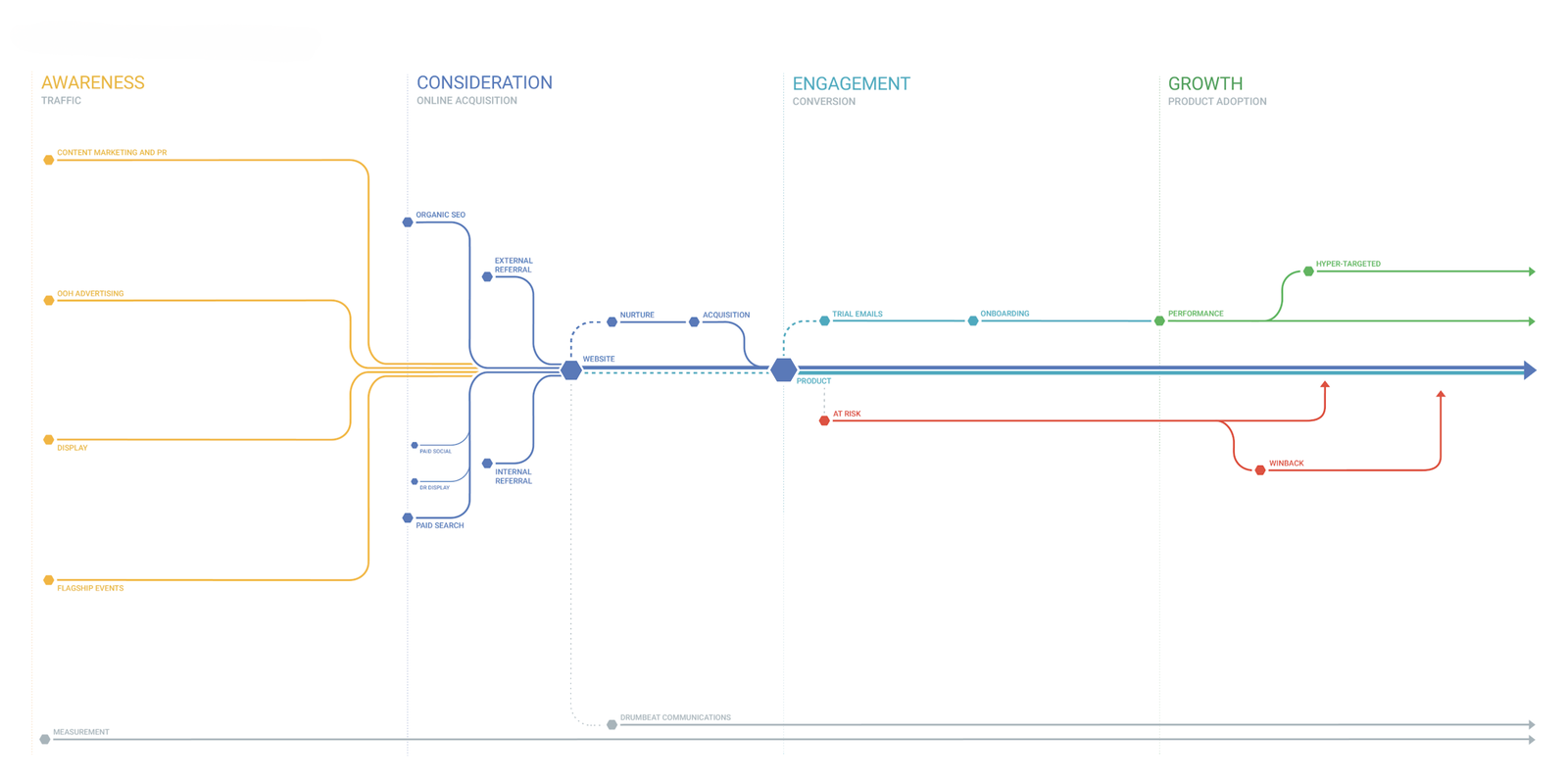
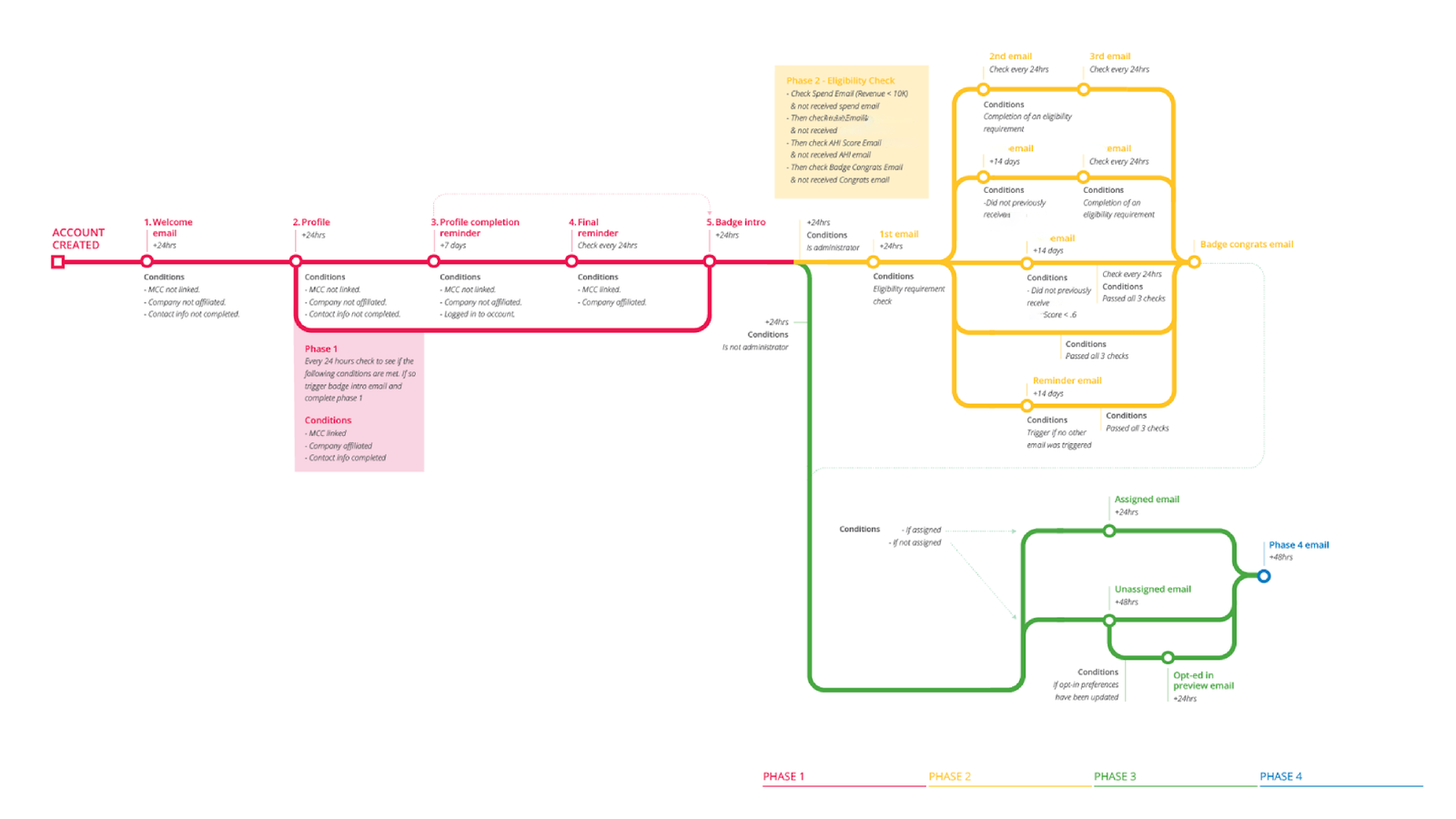
Once the brief is understood and the groundwork is laid, our teams design massive programs end to end, mapping full customer journeys from the first welcome message to long-term retention. Rigorous testing means every assumption has to earn its place, and years of results-fed learning, updates, and growth will further evolve the system. This informs the journey so the map can evolve with the company and the audience over time.
2. Design
With the data and the journey in hand, we build smart, repeatable frameworks for copy, design, and delivery.
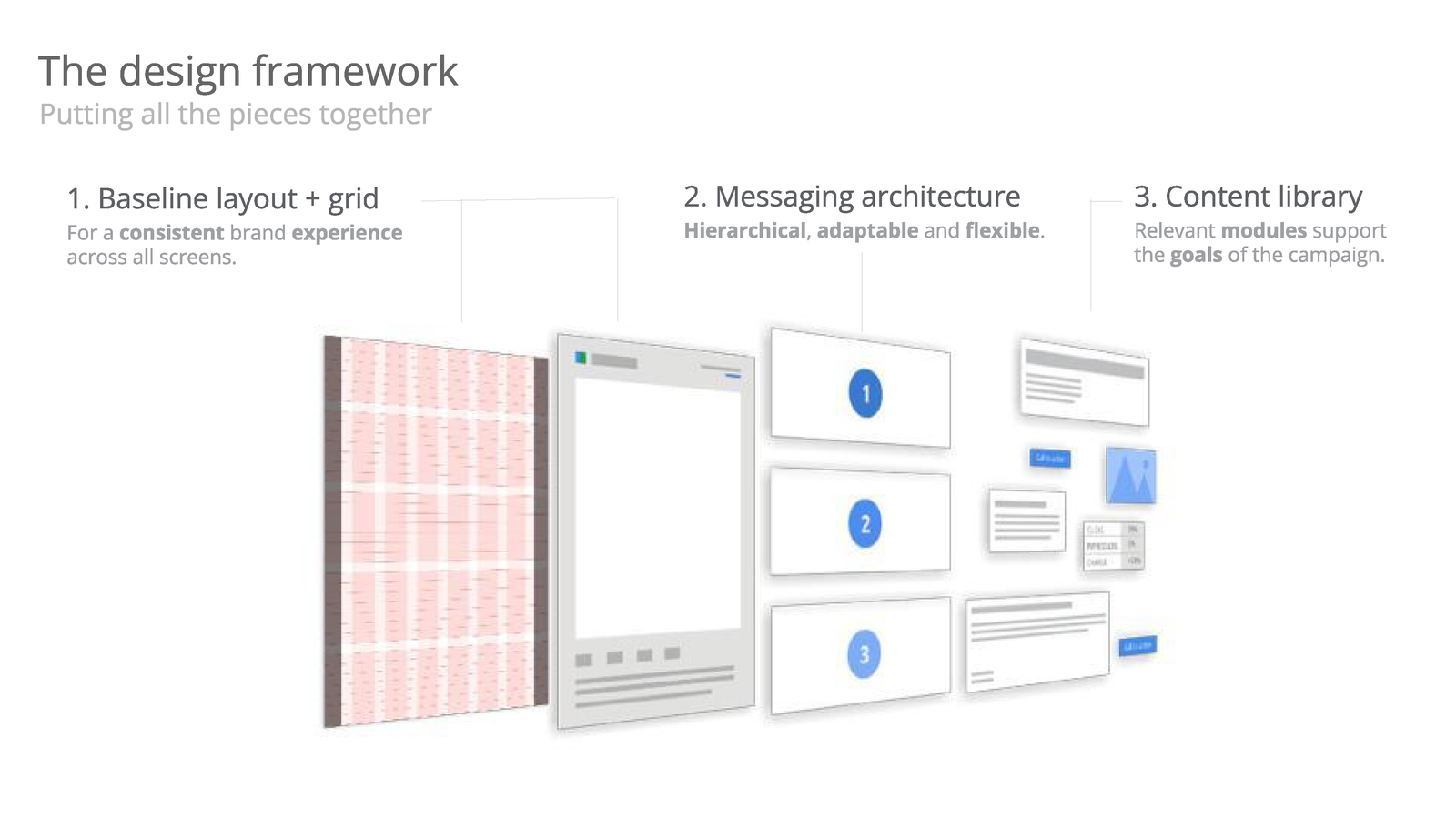
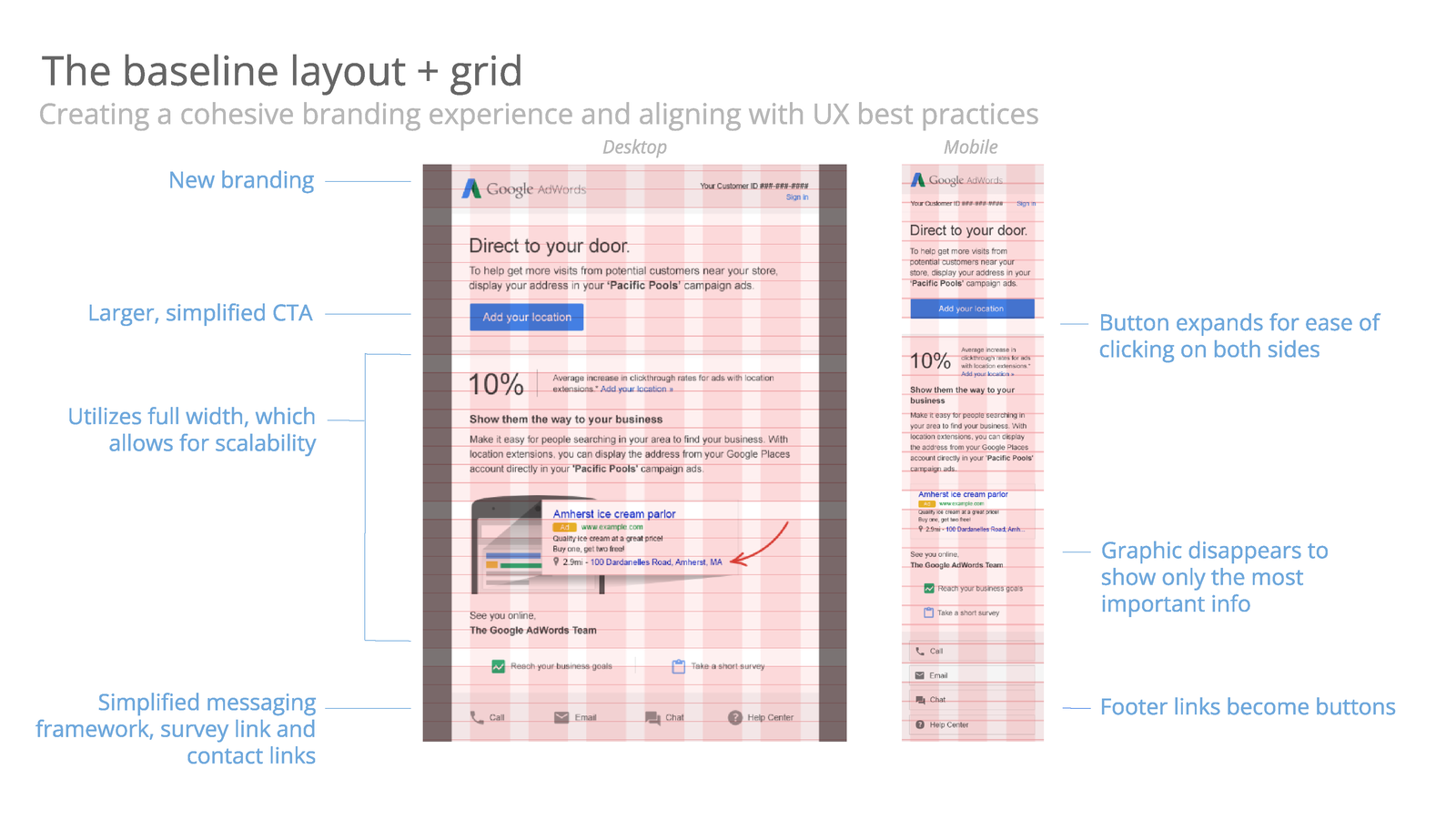
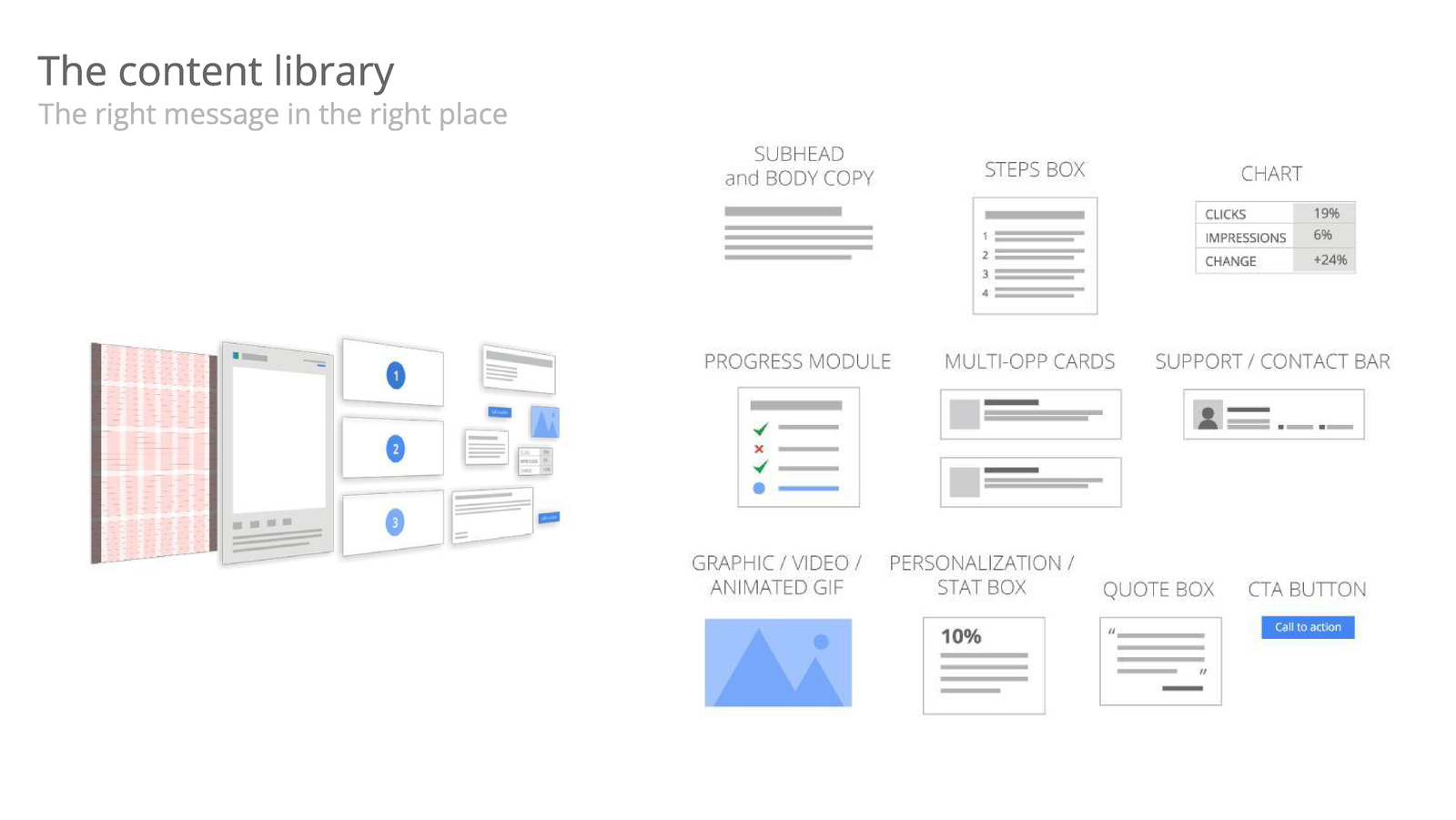
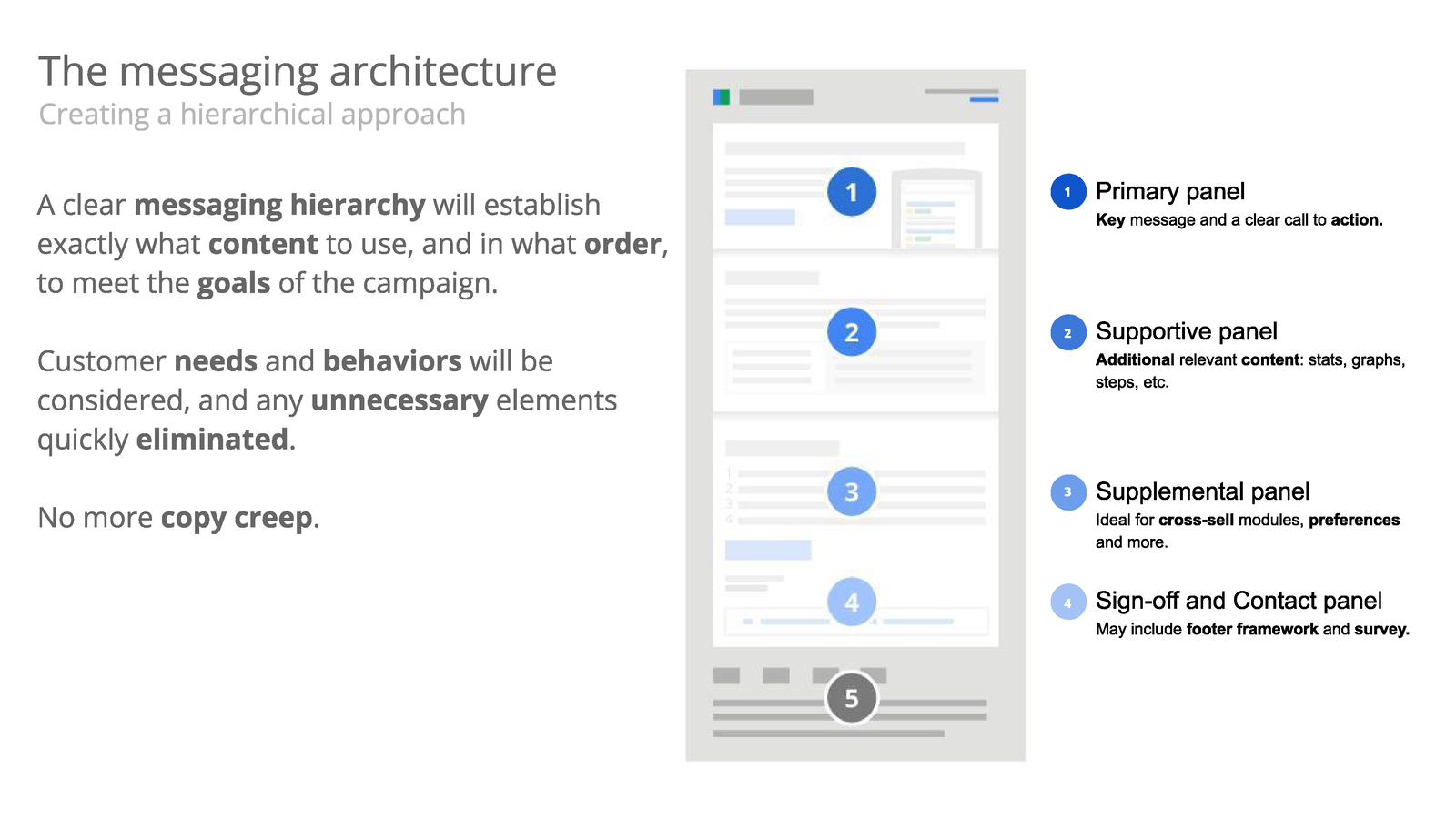
It starts with UX architecture: clear hierarchy and pathing, so readers always know where to look and what to do next. A shared design language, layout grids, and a content library keeps every send on-brand, while a messaging architecture sets the standard for purpose, voice, and cadence.
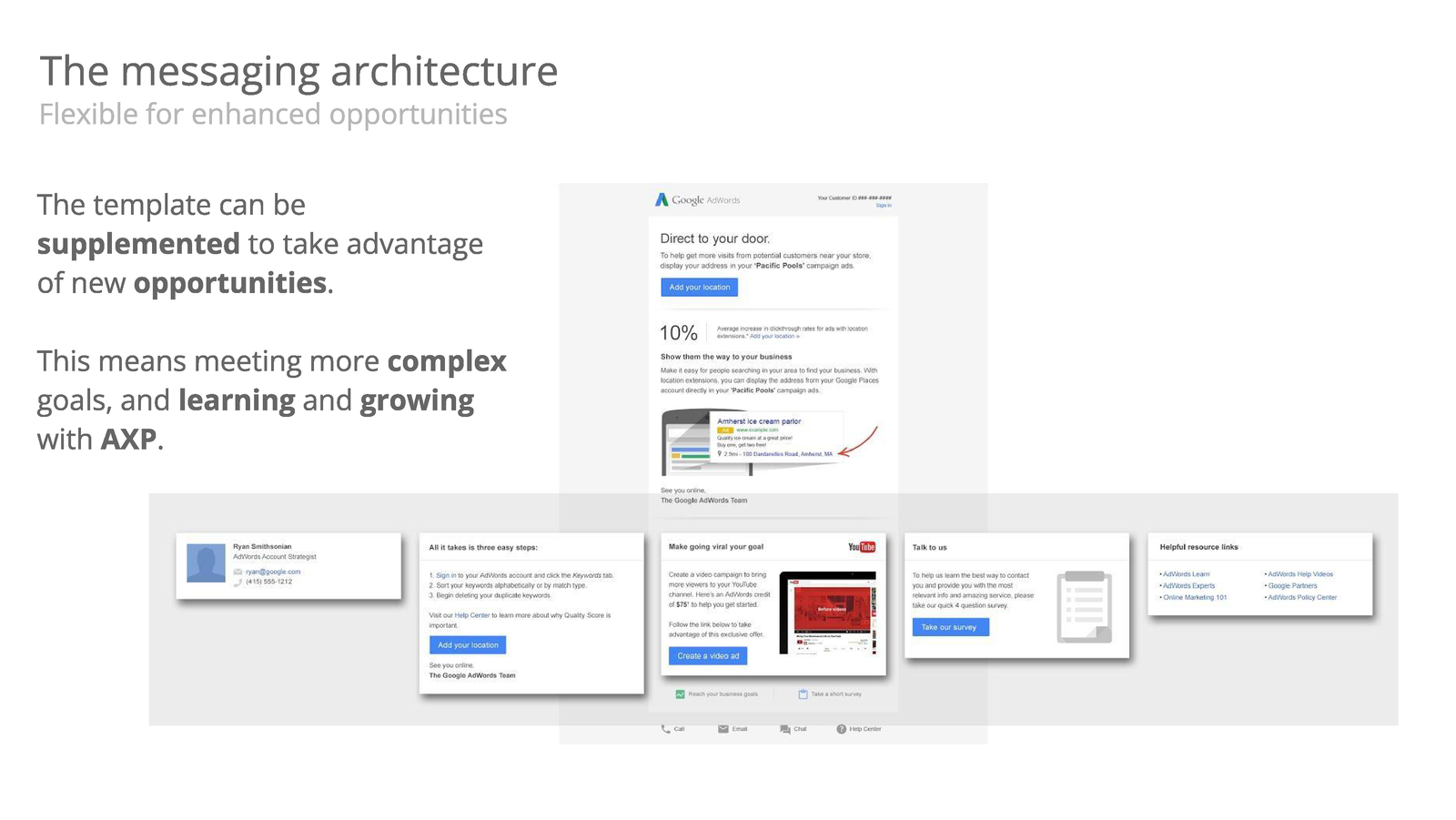
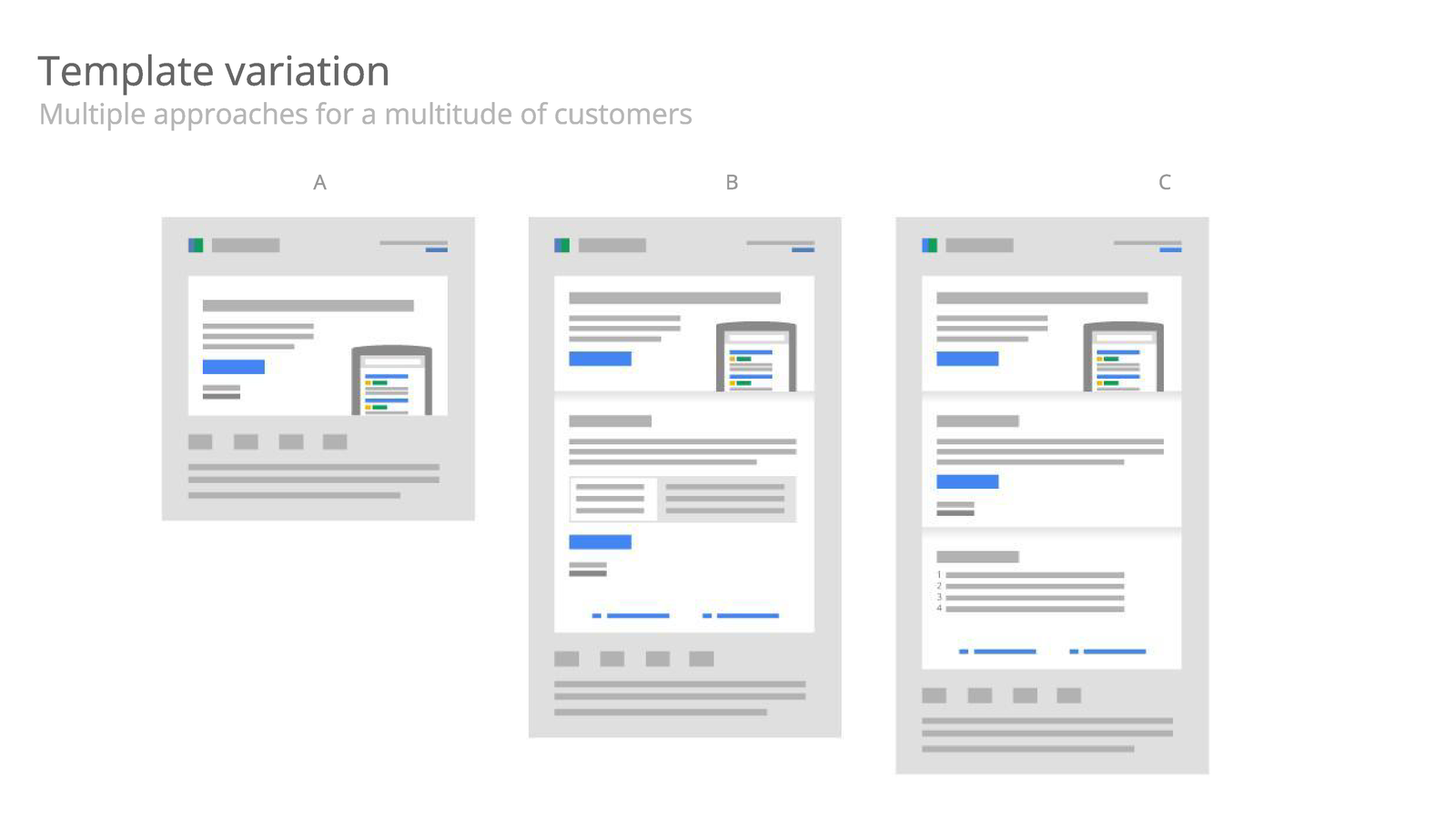
The whole system is built for flexibility, with modular templates and dynamic panels tailored differently for segmented audiences. Every email gets shipped with defined testing parameters, so results flow straight back into the system. Then we rinse, repeat, and deploy.
3. Deliver
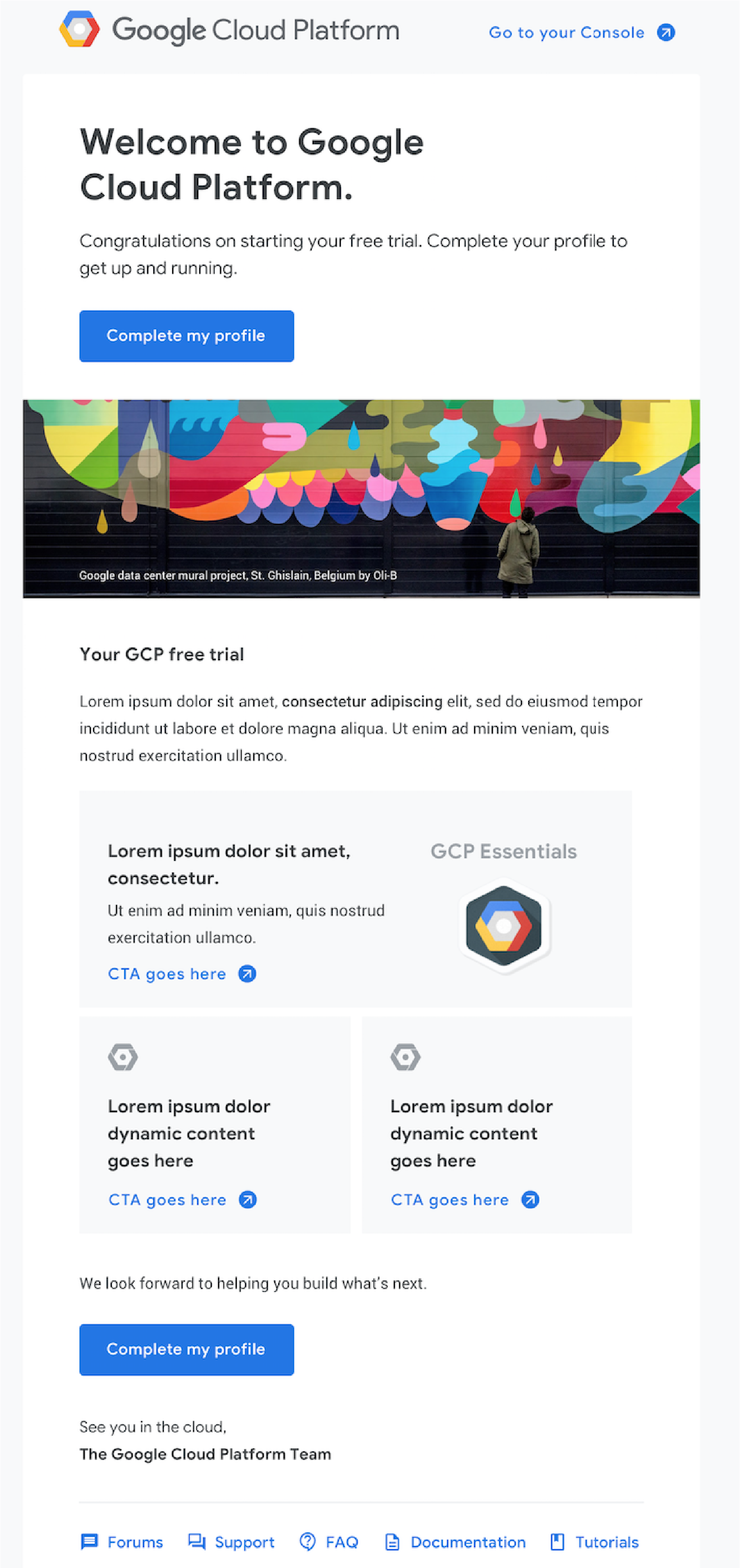
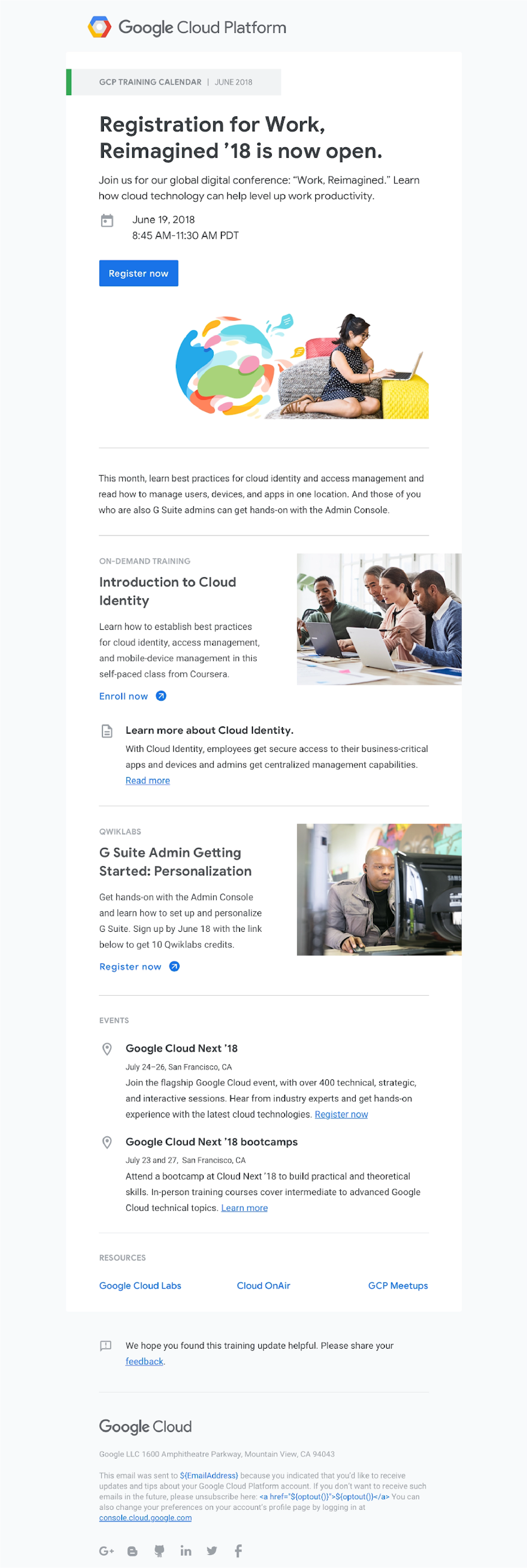
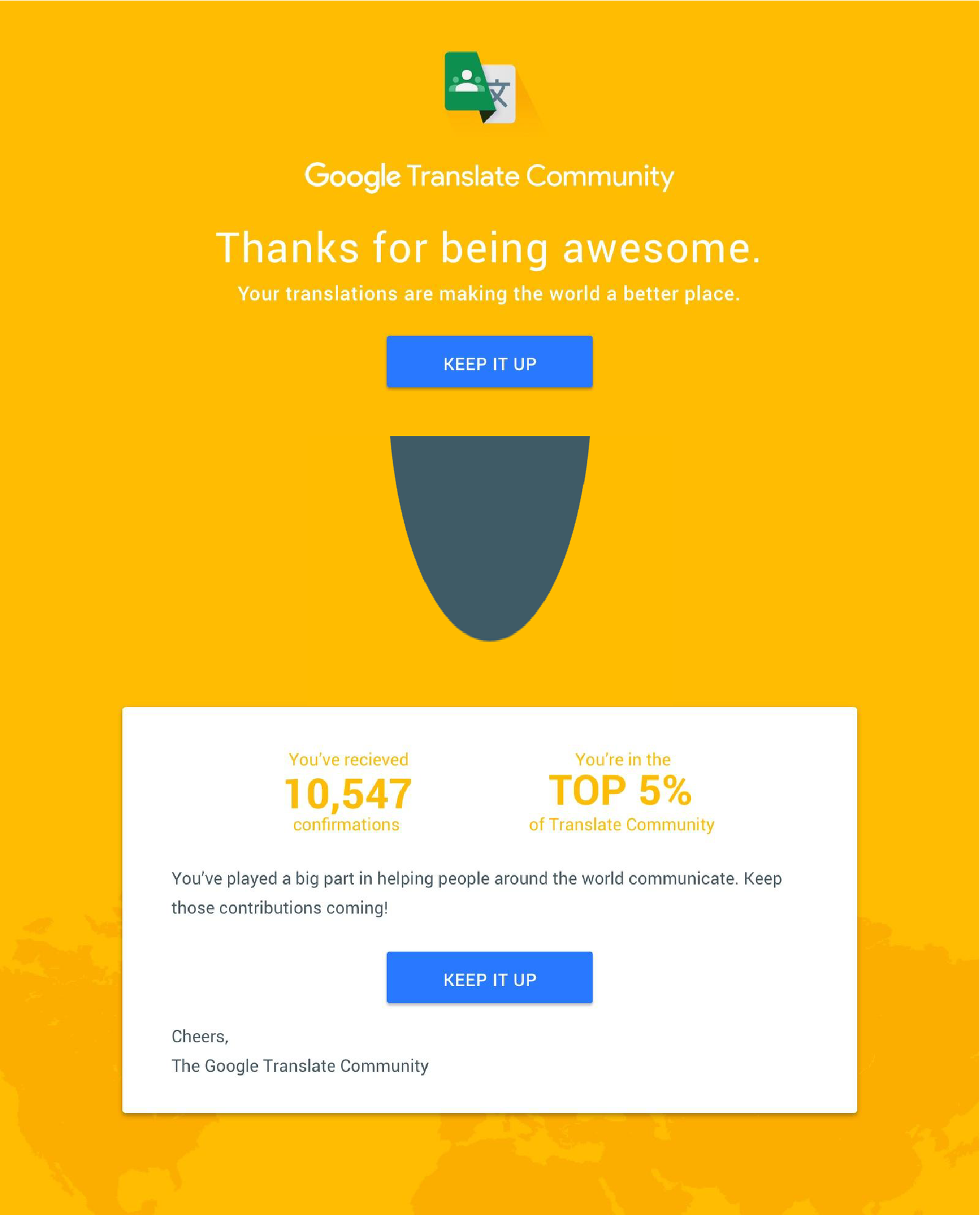
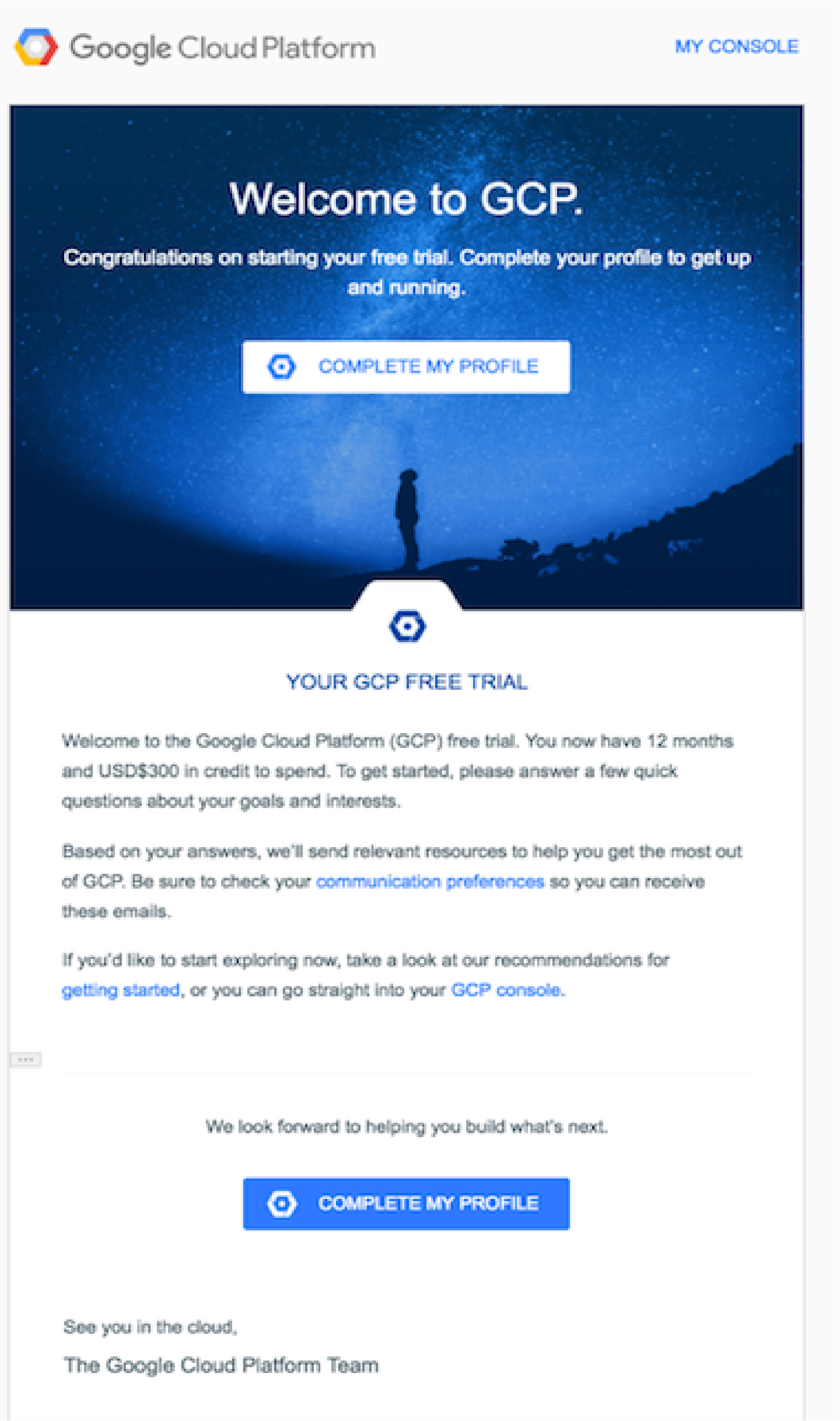
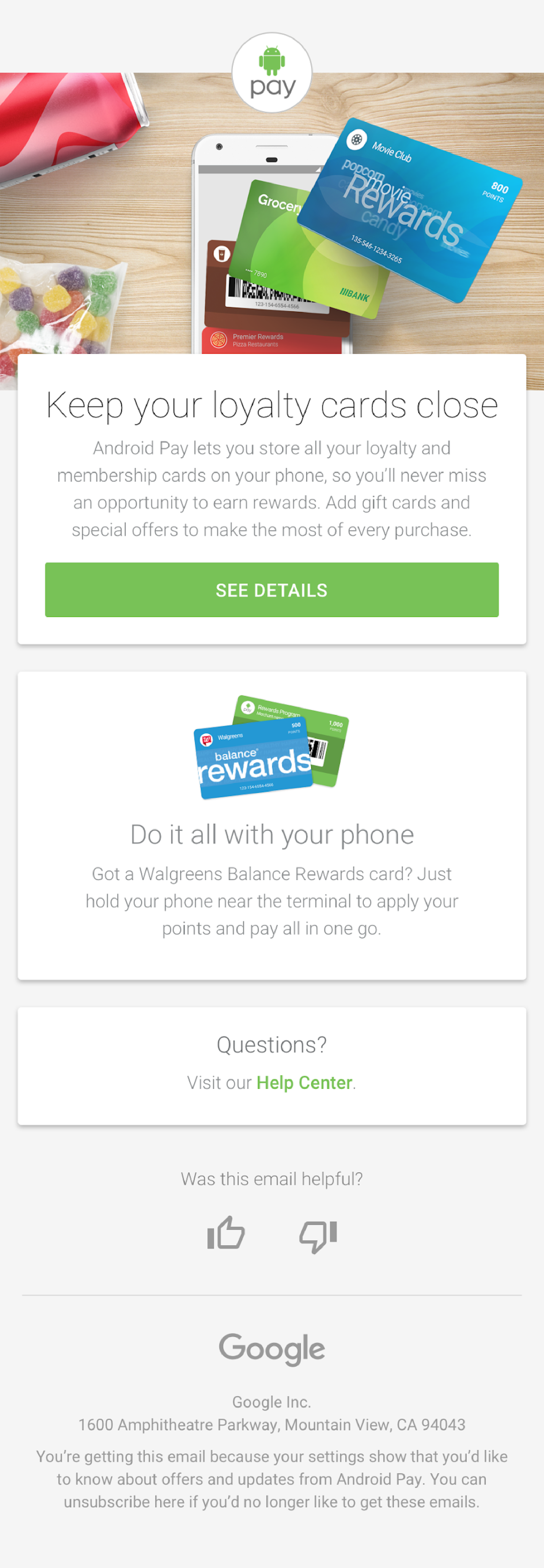
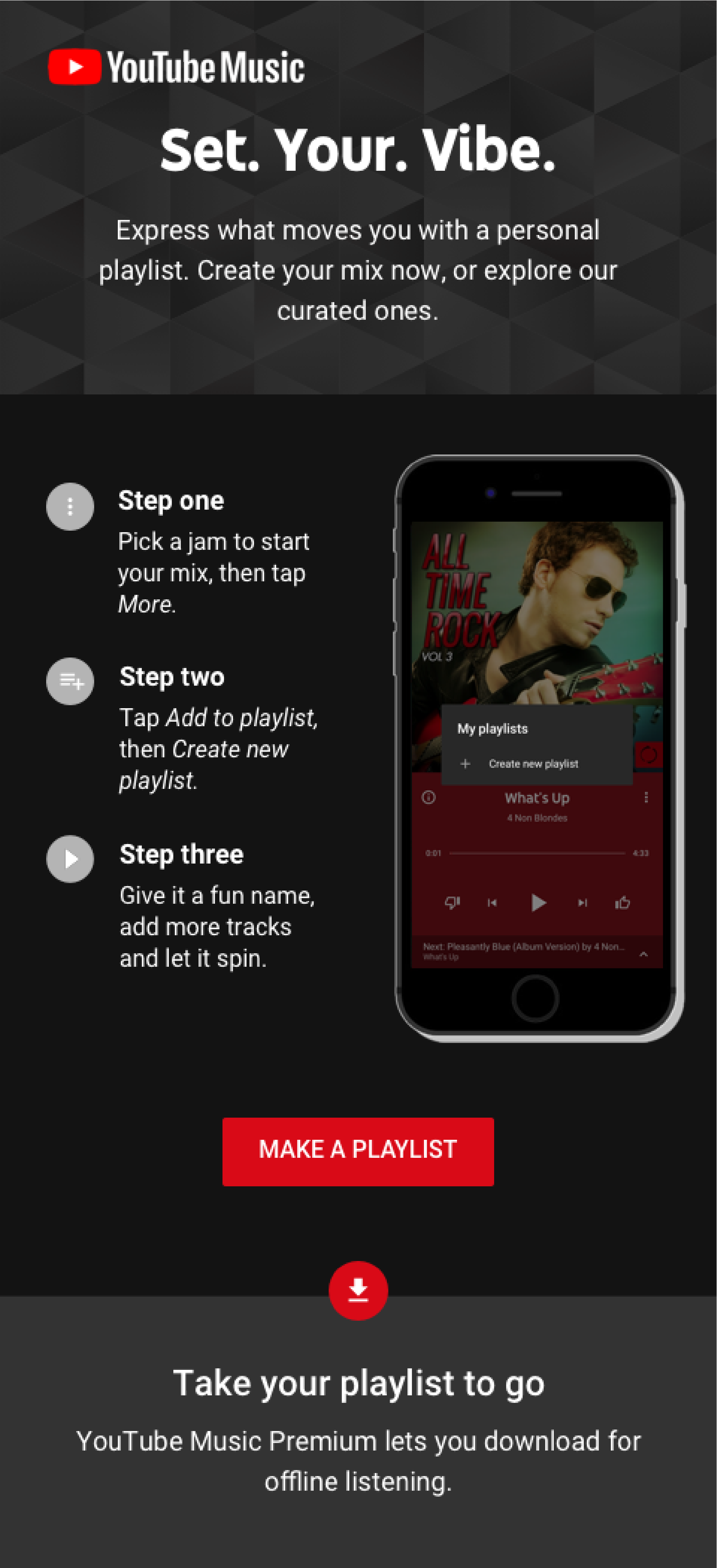
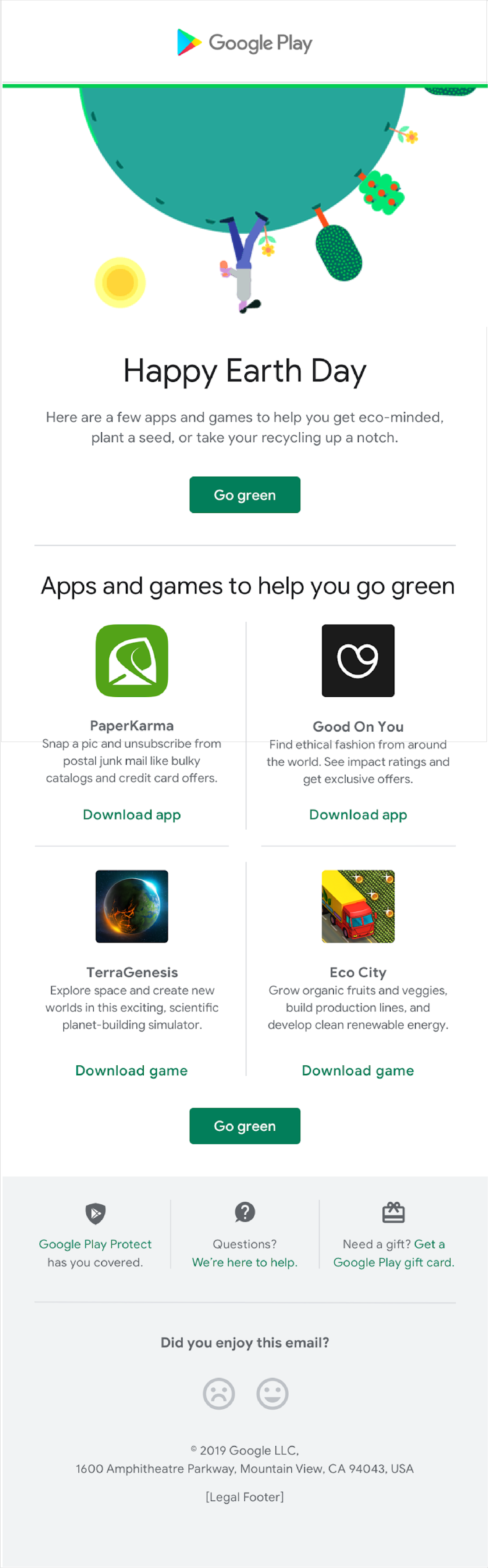
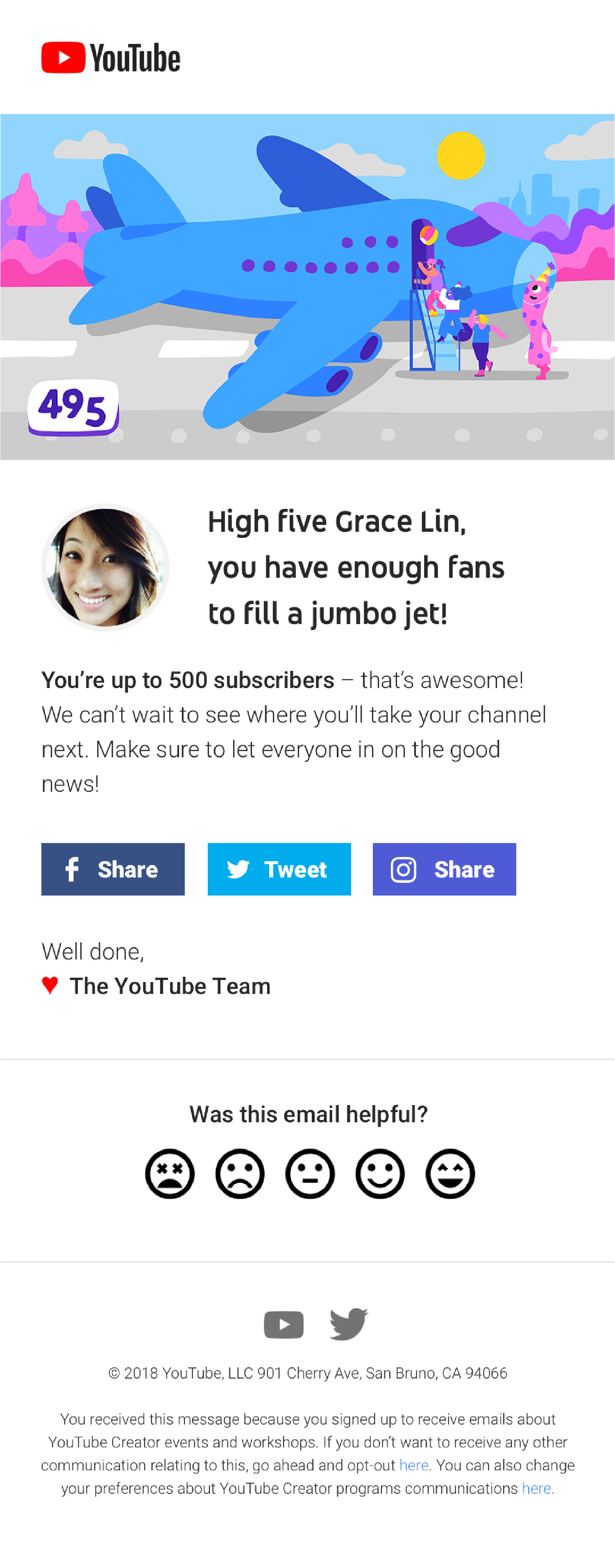
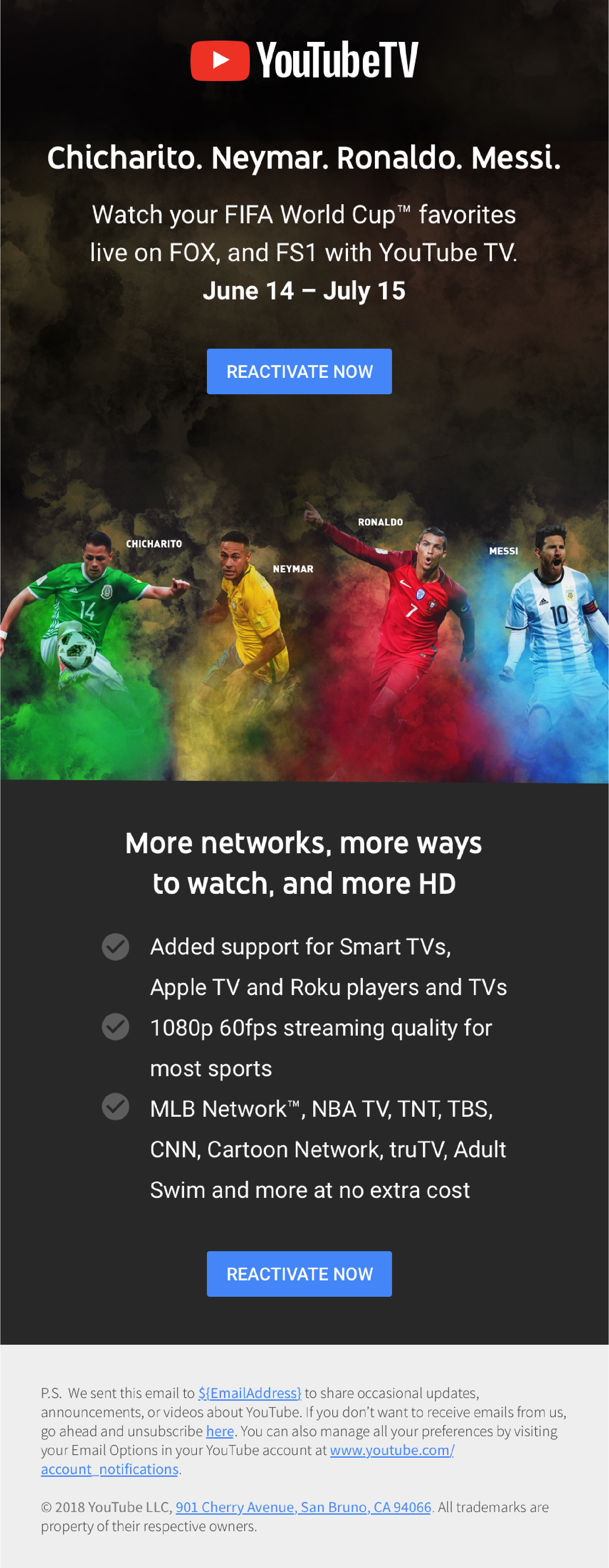
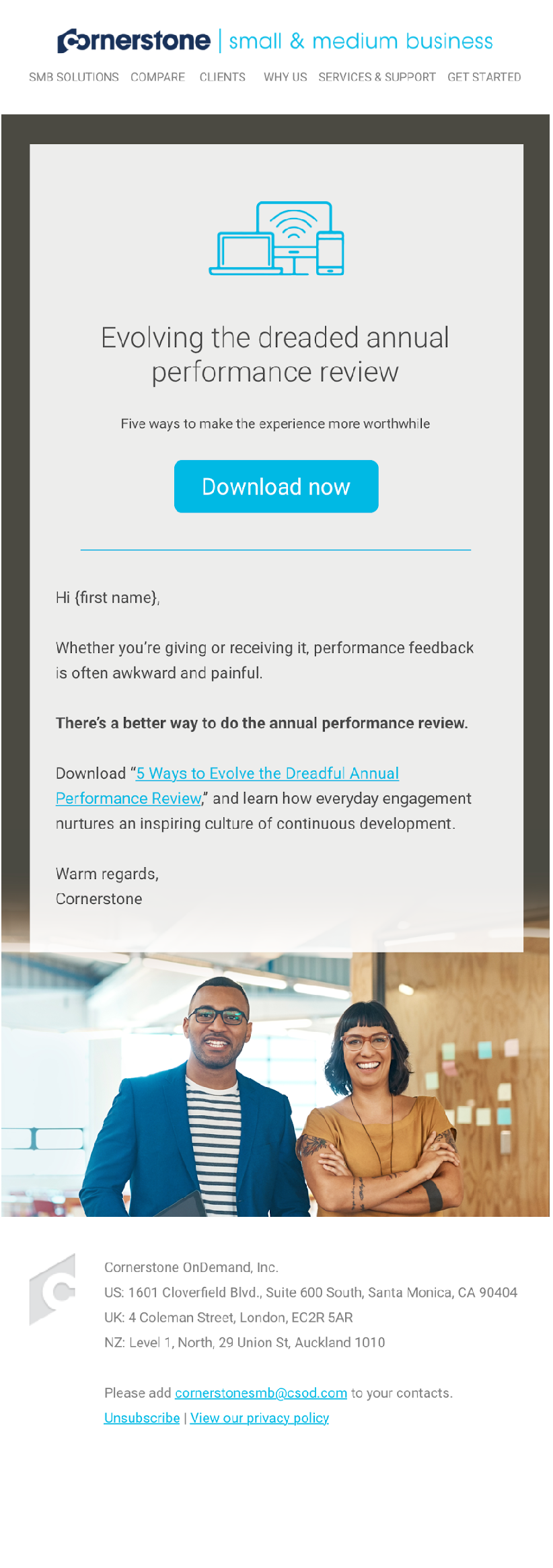
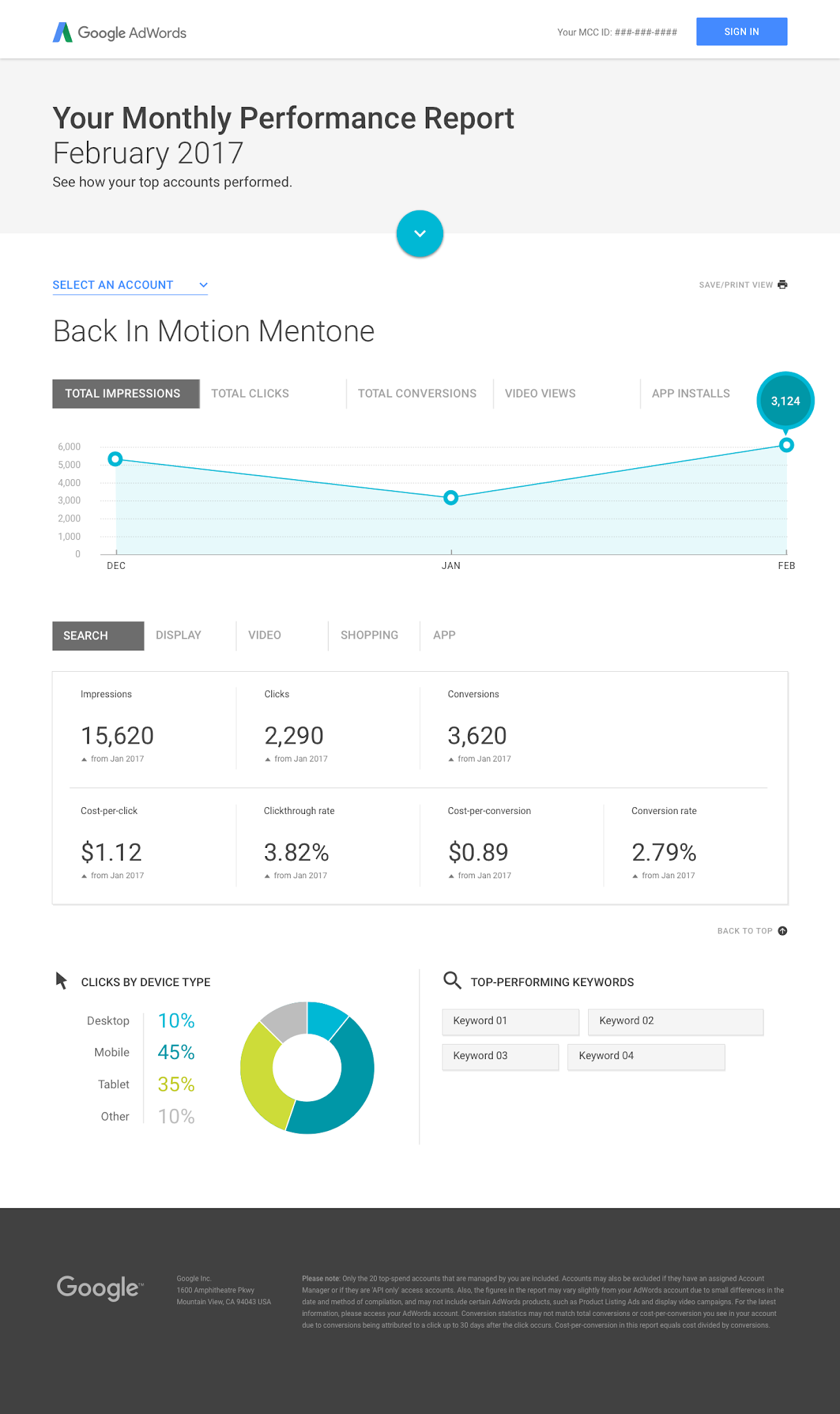
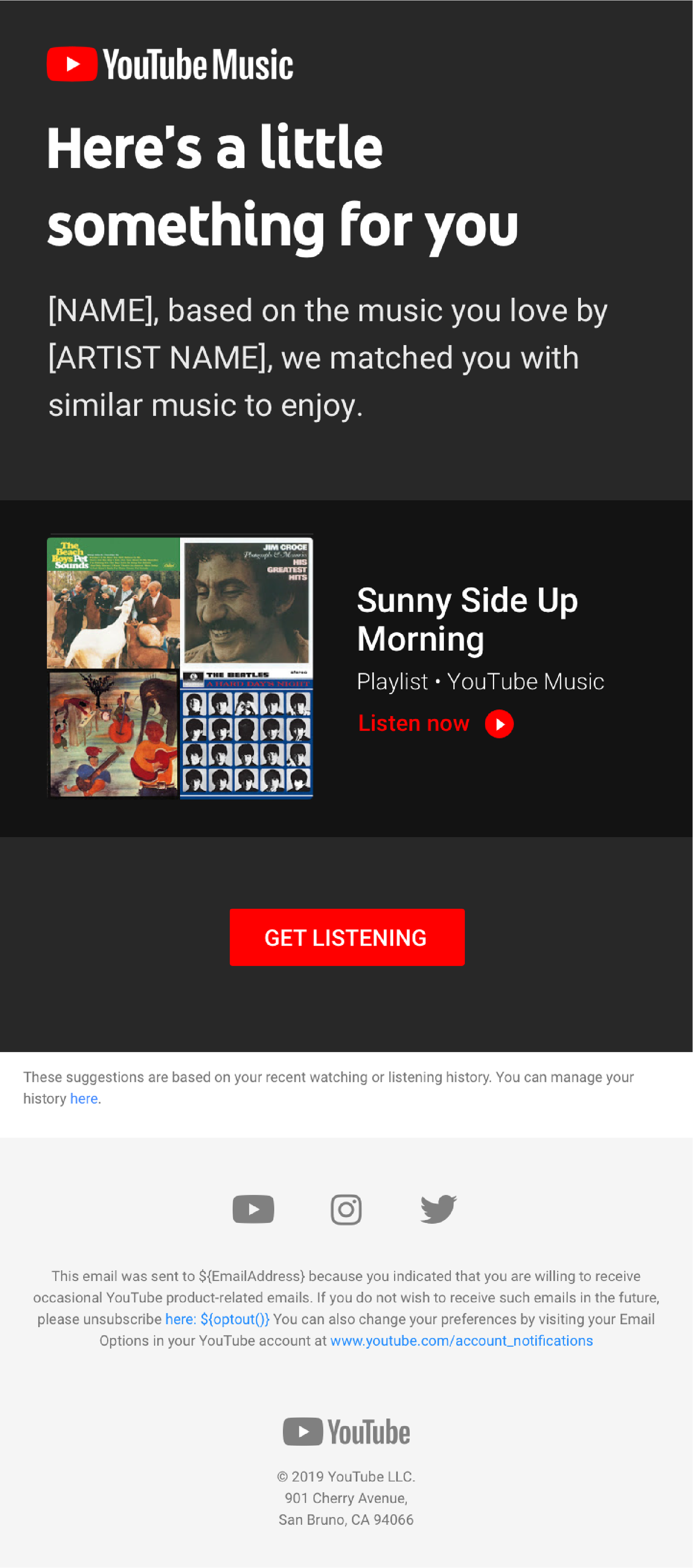
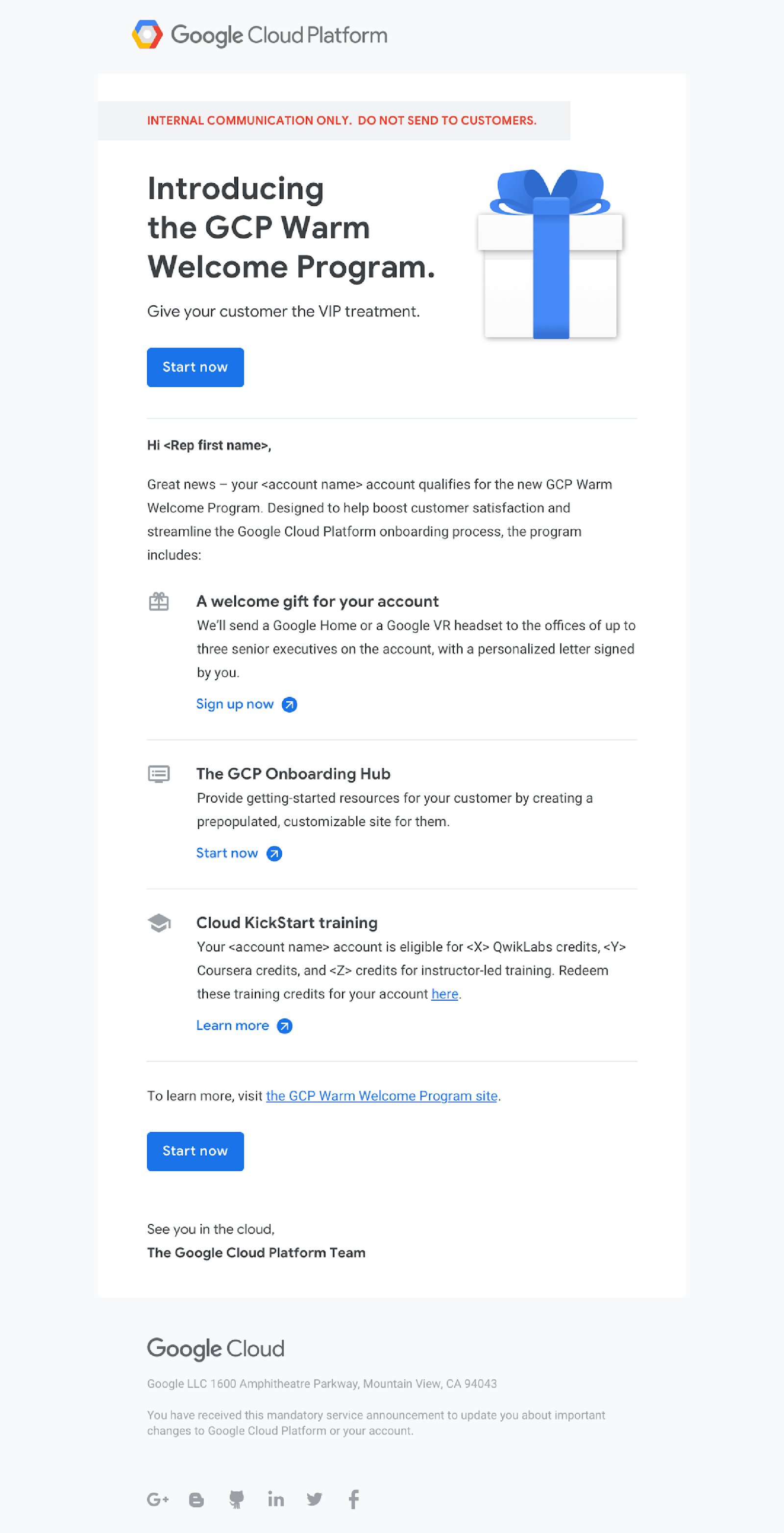
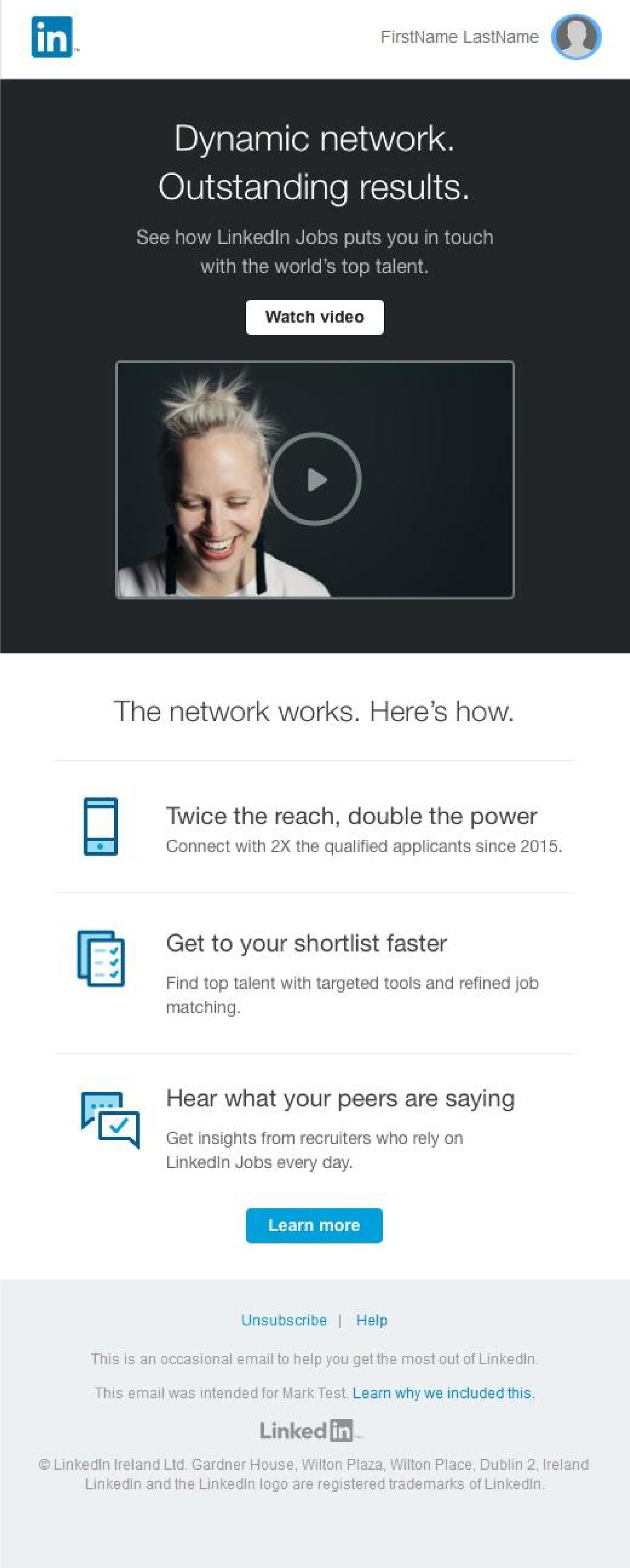
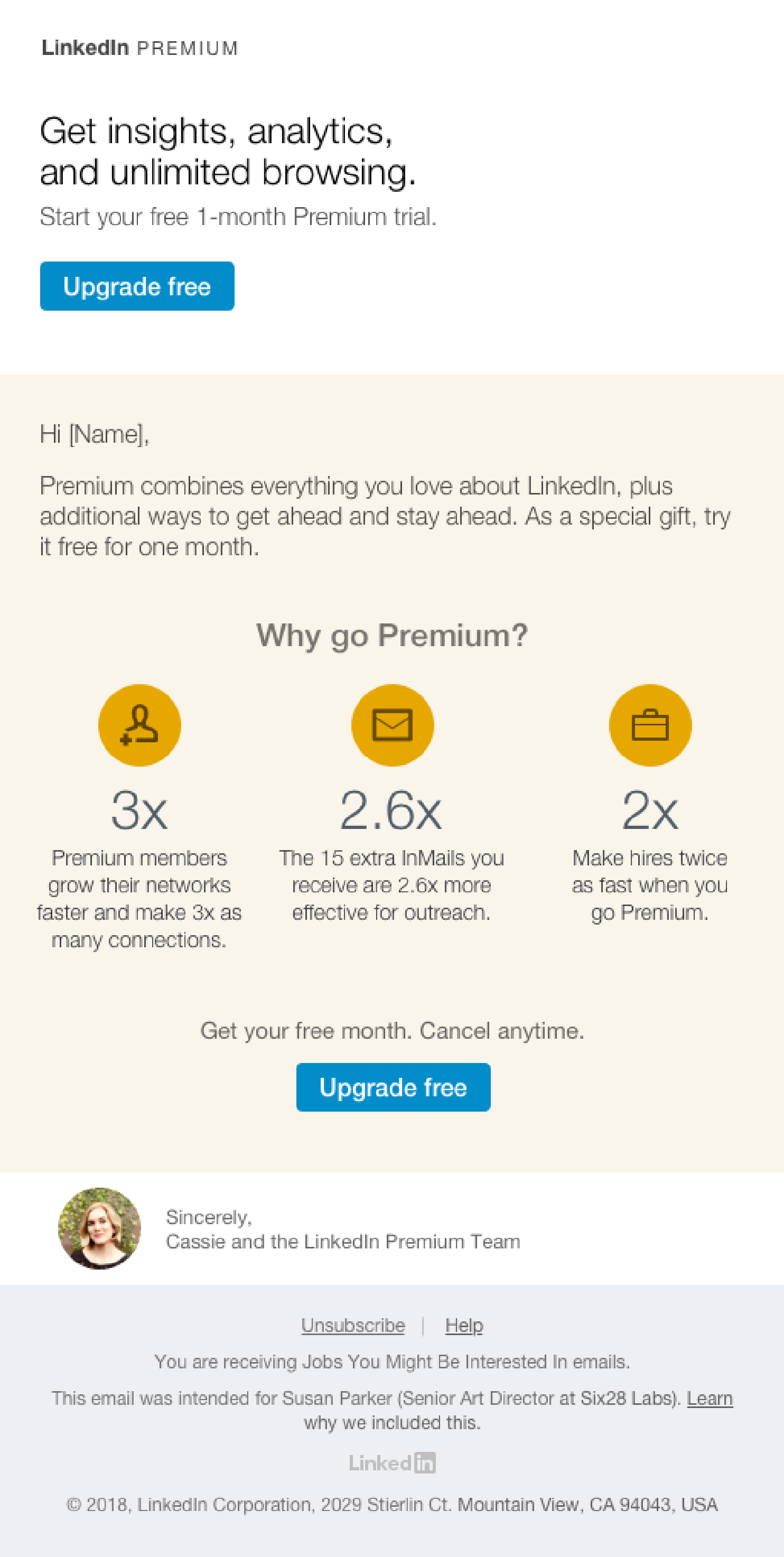
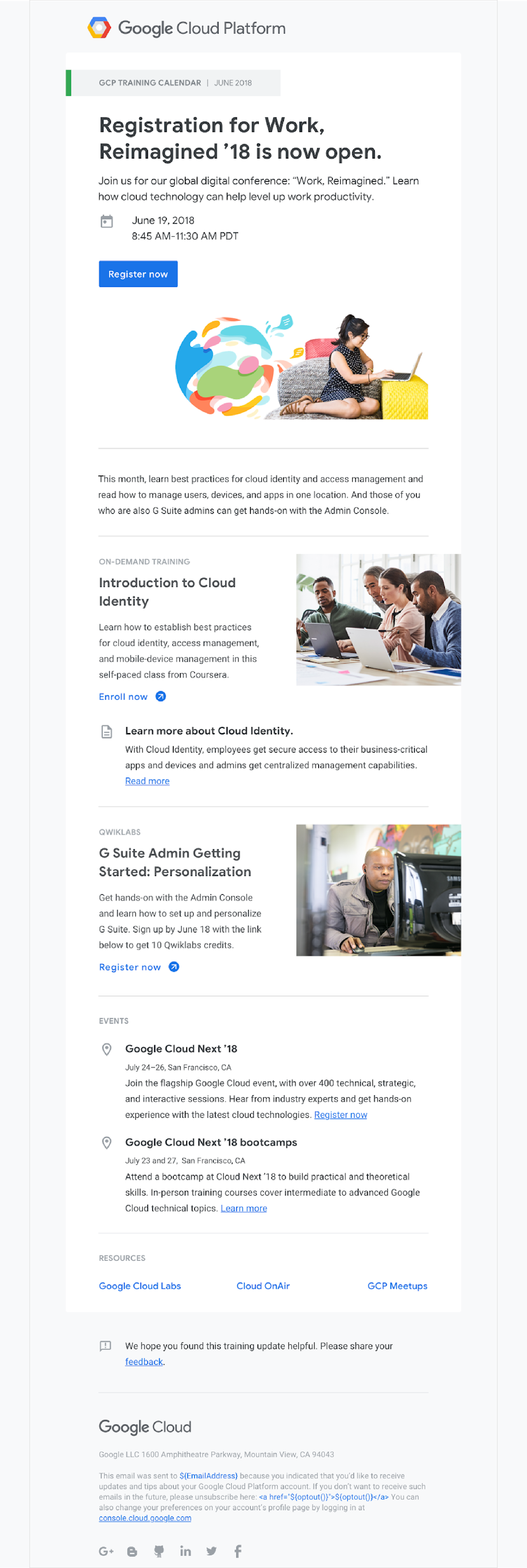
This is a small sample of the emails I’ve worked with my team to produce and deliver over the years. They all follow the same models and mindsets established above and have evolved substantially based on metrics over the years.